Trump Declares Iran Ceasefire Over, Yet Keeps Peace Talks Alive
Trump Ends Iran Ceasefire While Promising Ongoing Dialogue
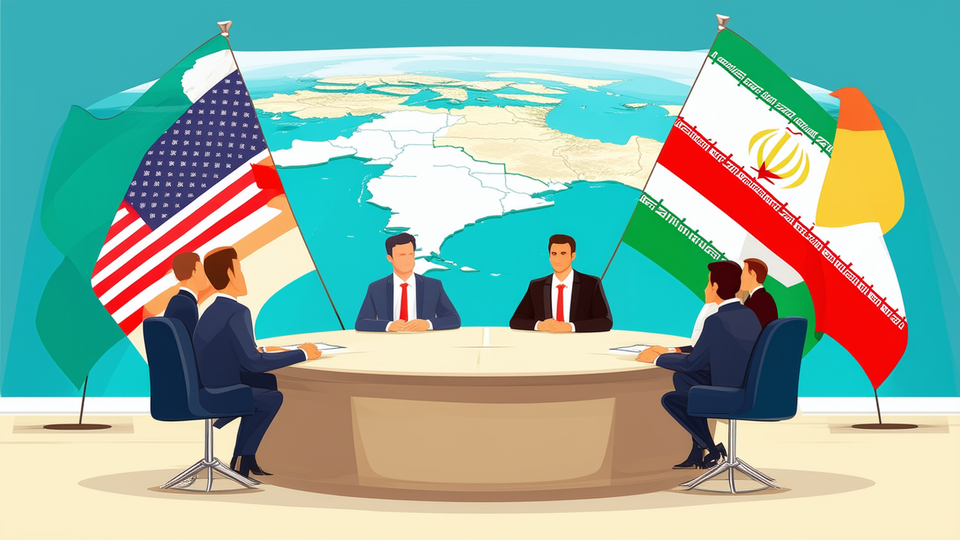
On July 10, 2026, President Donald Trump announced on Truth Social that the temporary cease‑fire between the United States and Iran is officially over, even as diplomatic talks continue at the request of Tehran. The statement marked a clear shift in the U.S. approach, emphasizing that an end to hostilities does not preclude the pursuit of a negotiated settlement.
Tensions Behind the Cease‑Fire Collapse
In recent weeks, both sides have exchanged strikes that escalated pressure on the already fragile agreement. The United States accused Iran of violating the truce by targeting commercial vessels in the Strait of Hormuz, a critical conduit for global oil shipments. In response, American forces intensified attacks on Iranian infrastructure, including a threat to take control of Kharg Island, which processes roughly 90 percent of Iran’s oil exports.
Continuation of Negotiations
Despite these developments, the president confirmed that Iran has asked to keep the diplomatic channel open. “The Islamic Republic of Iran has asked us to continue ‘talks.’ We have agreed to do so, but the United States has stated to them, in no uncertain terms, that the cease‑fire is OVER!” Trump wrote. The commitment to dialogue signals that the United States seeks a path forward that balances pressure with the possibility of a broader peace framework.
Reactions and Criticism
The announcement drew swift criticism from Iranian commentators. Mohammad Marandi, a professor known for defending Iran’s position, urged the public to ignore the president’s remarks, warning that Tehran will not engage until the United States fulfills its promises. On the U.S. side, officials noted that the cease‑fire termination was justified by clear violations and that continuing talks could still yield a durable agreement.
Economic Implications
Market observers noted a 5.5 percent rise in Brent crude oil futures over the past five days following the heightened tension. The volatility reflects the strategic importance of the Strait of Hormuz and the broader impact of any disruption to Persian Gulf oil flows on global energy markets.
Looking Ahead
President Trump’s dual message—asserting that the cease‑fire is over while keeping the negotiation table open—highlights a complex diplomatic strategy. The United States appears prepared to maintain pressure through targeted strikes while leaving room for a negotiated settlement that could stabilize the region and protect international shipping lanes.