Trump Declares Iran Ceasefire Over, Threatens Strait of Hormuz Blockade – Aug 7, 2026
Introduction
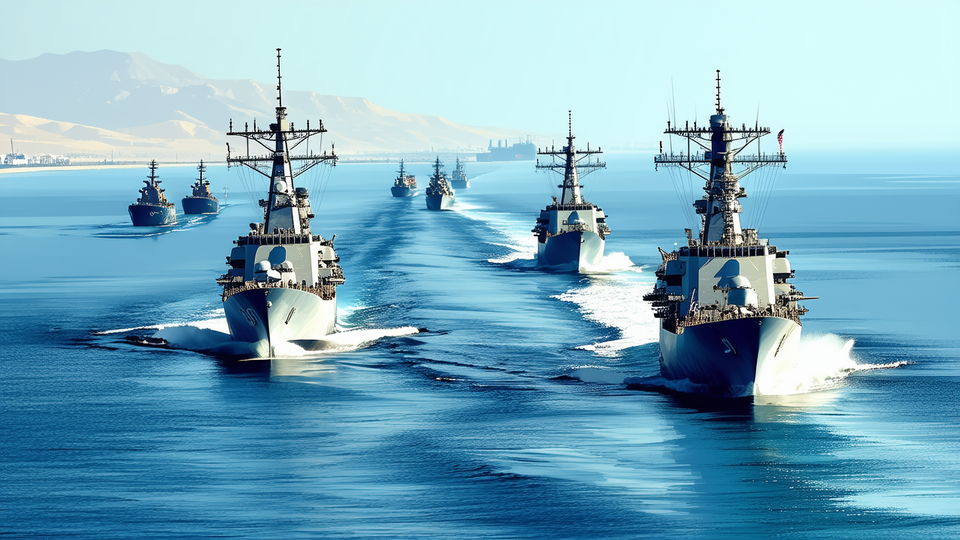
During the 36th NATO summit in Ankara, Turkey, President Donald Trump announced that the interim ceasefire with Iran had ended. Citing recent Iranian attacks on three commercial ships transiting the Strait of Hormuz, he warned that the United States could reimpose a naval blockade on the waterway, a critical conduit for global oil shipments.
Escalation and Military Action
In response to the attacks, U.S. forces launched more than 80 strikes on Iranian targets overnight. The strikes aimed at Iranian military infrastructure were described by the president as “necessary” to protect shipping and deter further aggression. Iran retaliated with missile and drone attacks on U.S. bases in Bahrain and Kuwait, raising the risk of a broader regional conflict.
President Trump emphasized that ongoing negotiations were “a waste of time,” calling Iranian leaders “scum” and “vicious, violent people.” He referenced his negotiators, Steve Witkoff and Jared Kushner, suggesting that any further talks were optional and unlikely to succeed.
Political and Economic Implications
The announcement sparked mixed reactions among NATO allies. While officials from the United Kingdom, Canada, and several European nations supported the U.S. strikes as “absolutely necessary,” other leaders expressed concern over the rhetoric and the potential strain on alliance unity. NATO Secretary General Mark Rutte reaffirmed the alliance’s commitment to collective security, noting the importance of a coordinated response.
Financial markets reacted swiftly. Brent crude prices jumped by more than six percent, reaching $78.93 per barrel, while U.S. equity futures fell as investors priced in heightened geopolitical risk. The potential disruption of oil flow through the strait heightened concerns about global energy stability, underscoring the interconnected nature of security and economic health.
Conclusion
President Trump’s declaration that the Iran ceasefire is over marks a decisive shift in U.S. policy toward the region. The threat of a renewed blockade of the Strait of Hormuz adds a new dimension to an already volatile situation, compelling NATO members and global markets to reassess their strategies. As diplomatic avenues appear strained, the coming weeks will test the resolve of allies and the resilience of international trade routes.