Trump Claims New Democratic Winners Seek to End Religion – A June 27, 2026 Rant
Trump’s Religion‑Focused Rant
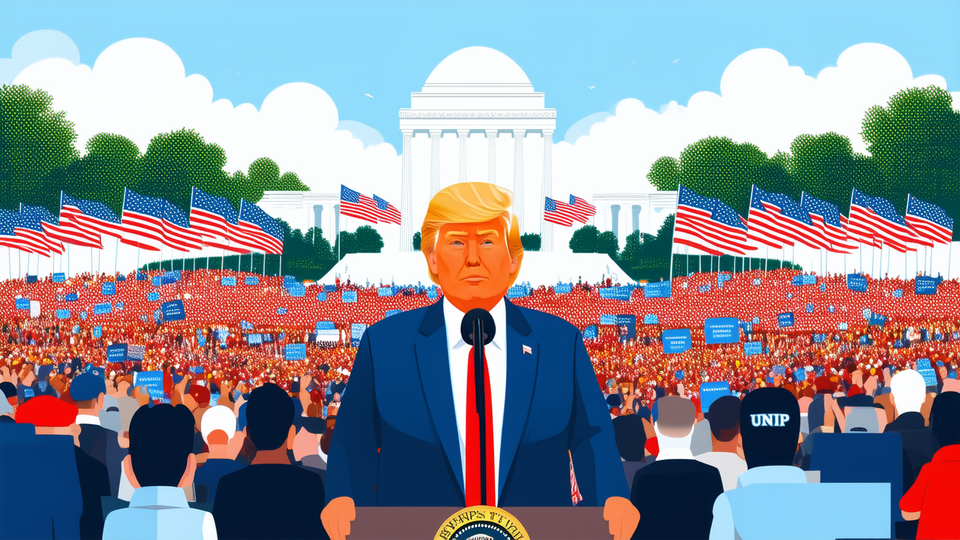
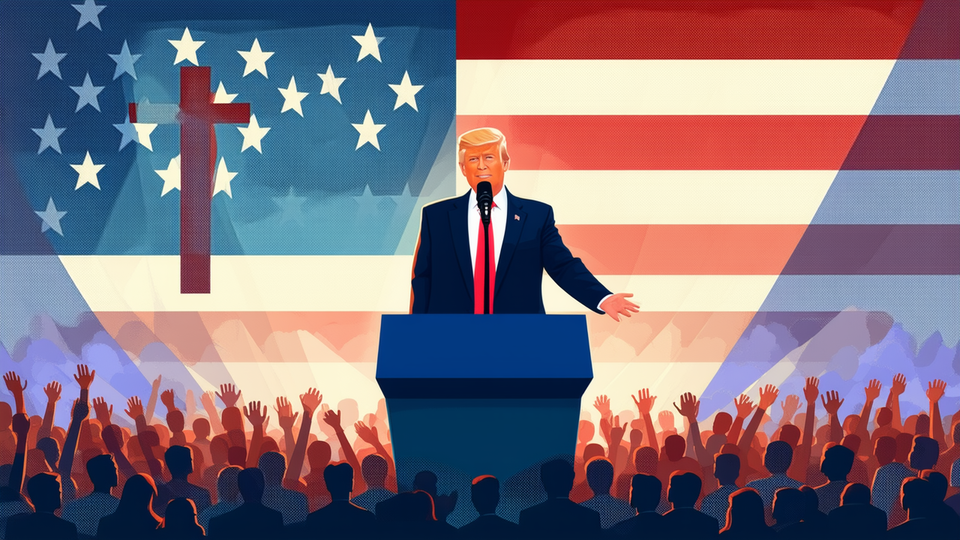
In a high‑profile appearance at the Faith & Freedom Coalition conference on June 27, 2026, former President Donald Trump launched a stark warning aimed at newly victorious progressive Democratic candidates. Speaking directly to a crowd of evangelical supporters, he claimed that the fresh wave of Democratic winners are determined to "end religion" and described them as "godless communists."
Trump’s framing went beyond conventional political criticism. He invoked the term “communism” not as an economic doctrine but as a shorthand for expansive government programs that, in his view, threaten the moral fabric of American life. By labeling his opponents as godless, he fused political opposition with a perceived attack on Christianity, suggesting that the Democratic agenda is fundamentally at odds with religious freedom.
The former president also used superlative language, describing himself as the “greatest communist in history” while mocking the concept of communism as a promise of free rent, free food, and free homes. He contrasted this claim with his portrayal of Democratic policies, depicting them as a modern form of communism that would lead to economic collapse and social breakdown. This rhetorical strategy aligns with his broader pattern of amplifying political messages through exaggerated self‑praise and stark contrasts.
Trump’s remarks were not isolated. They reflected a continuing theme in his recent speeches, where he repeatedly ties the Democratic Party to cultural degradation. By casting the party as an existential threat to religious identity, he aims to mobilize evangelical voters ahead of upcoming midterm elections, reinforcing the narrative that the Democratic platform endangers core American values.
The speech underscored the deepening intersection of culture and politics in contemporary America. By merging religious language with political criticism, Trump leveraged his platform to cast the election results as not just a political shift but a spiritual battle. This approach resonates with a segment of the electorate that views political outcomes through the lens of faith and cultural preservation.
While political science defines communism as a system centered on collective ownership of production, Trump’s usage redefines the term for rhetorical impact. This redefinition serves to simplify complex policy debates into a binary moral choice for his audience: protect Christianity or succumb to a secular, “communist” agenda.
In summary, Trump’s June 27 address at the Faith & Freedom Coalition event reinforced his strategy of framing Democratic victories as threats to religious freedom. By branding progressive candidates as godless and communistic, he sought to rally evangelical voters around a narrative of cultural preservation, highlighting the ongoing culture war that continues to shape American political discourse.