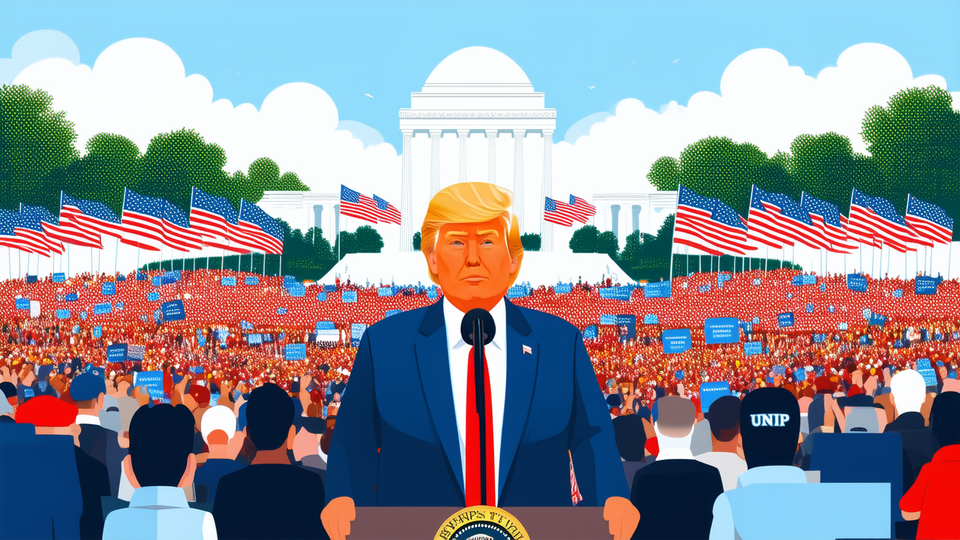
Trump and Vance Defend Iran Ceasefire Extension Amid GOP Criticism

Trump and Vance Defend Iran Ceasefire Extension Amid Growing Criticism
On June 20 2026, President Donald Trump and Vice President JD Vance stood together to defend the United States’ decision to extend the ceasefire with Iran. Their remarks came as several Republican lawmakers raised objections, arguing that the ceasefire does not adequately protect American interests or those of its allies. Both leaders stressed that the extension is a necessary step to prevent further escalation in a region already strained by recent military actions.
Vice‑President Vance emphasized that the United States “holds all the cards” in the ongoing conflict with Iran. In a recent interview, he noted that even without a final deal, Iran’s nuclear program remains weakened and the country’s regional power diminished. Vance also pointed to the increased flow of oil through the Strait of Hormuz as evidence of “something real” happening, suggesting that diplomatic pressure is having an effect.
President Trump echoed these sentiments, asserting that the United States may eventually have to complete the mission militarily if diplomacy fails. He posted on Truth Social that when the point is reached, “the Islamic Republic of Iran will no longer exist.” This strong language underscores the administration’s willingness to consider decisive action while maintaining the ceasefire as a diplomatic tool.
The debate is occurring against a backdrop of renewed hostilities. The U.S. Central Command reported new strikes on Iranian targets after a drone attack on a cargo ship in the Strait of Hormuz. The strikes targeted Iranian surveillance, communication, and air‑defense sites, indicating that the ceasefire remains fragile. These developments have heightened the sense of urgency among officials who argue that the ceasefire extension buys crucial time for further negotiations.
Critics within the Republican Party have voiced concerns that the ceasefire may embolden Iran. Some lawmakers claim the agreement lacks clear enforcement mechanisms and fails to address Iran’s long‑term strategic goals. However, Trump and Vance argue that a continued diplomatic effort, combined with the demonstrated military capability of the United States, positions America advantageously in any future negotiations.
The issue also touches on broader U.S.–Israel relations, an important component of American foreign policy in the Middle East. While the reference articles do not detail specific Israel‑related actions, the overall context suggests that maintaining stability in the region aligns with U.S. commitments to its key ally, Israel. By defending the ceasefire, the administration signals its intent to balance pressure on Iran with the strategic interests of both nations.
As the ceasefire extension moves forward, the administration’s message remains clear: the United States possesses both diplomatic leverage and military readiness. The dual approach aims to keep Iran’s aggressive capabilities in check while leaving open pathways for a more permanent resolution. The ongoing dialogue within Congress and the public sphere will likely shape the next steps in this delicate balance of power.