Trump Administration Labels Cop City Protesters as Antifa Terrorists
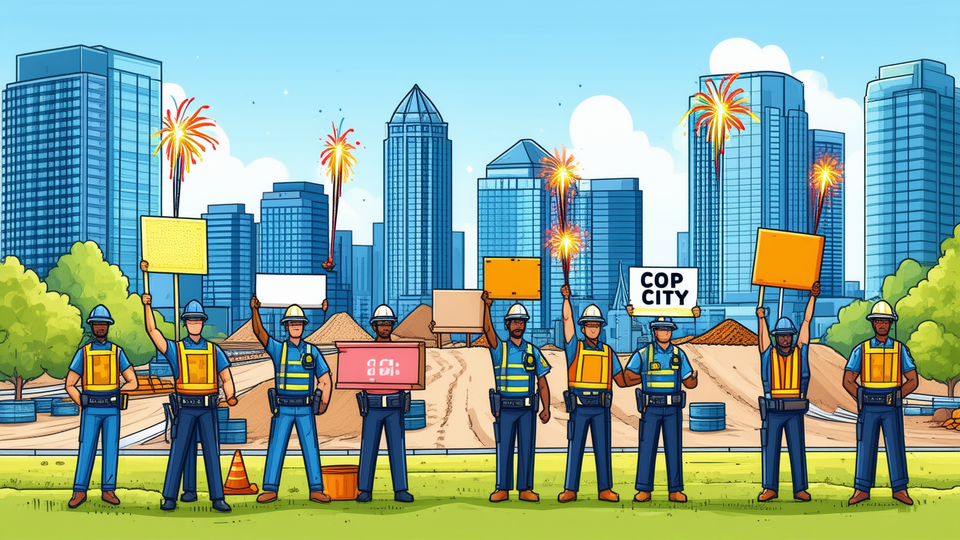
The Department of Justice announced on June 26, 2026 that it had indicted two of the three activists arrested during a May 2022 protest outside the offices of Brassfield & Gorrie, the construction firm behind the $109 million Cop City police‑training center on Atlanta’s north side. The indictment cites the National Security Presidential Memorandum 7 (NSPM 7) initiative, a Trump‑era directive aimed at combating “violent and terroristic activities under the umbrella of self‑described ‘anti‑fascism.’” The same administration had, a month earlier, issued an executive order labeling “antifa” a domestic terrorist organization.
Prosecutors allege the defendants set off fireworks, damaged property, and engaged in a “conspiracy” to cause civil disorder. Federal officials have framed those actions as “explosives” and “riot,” tying the conduct to the broader antifa narrative the administration has pursued since the 2020 election. Attorney Xavier de Janon, who represents one of the defendants, argues the case mirrors the federal government’s earlier Prairieland prosecution of anti‑ICE activists in Texas, where jurors handed down multi‑decade sentences for alleged material support of terrorism.
State authorities in Georgia have already struggled to convict the protesters. An August 2023 indictment filed by Attorney General Chris Carr was dismissed in December 2023, and a second RICO‑style indictment in Cobb County was thrown out in April 2024 on due‑process grounds, with the judge citing an “inordinate delay” between the alleged crimes and the filing of charges. The federal indictment therefore represents the latest attempt to revive the case after the state courts fell short.
Critics, including civil‑rights groups and legal scholars, warn that labeling protestors as antifa terrorists creates a dangerous “boogeyman” used to silence dissent. Historian Arun Kundnani notes that the tactic of branding activists as terrorist threats dates back to the 1970s, when similar language was applied to the Black Panthers and, later, to Muslim communities after 9/11. Filmmaker Will Potter adds that the administration’s rhetoric transforms ordinary protest tools—such as fireworks—into “explosives” and ordinary demonstrators into “antifa cells,” a linguistic shift that expands the reach of federal law‑enforcement powers.
The case also highlights a growing tension between federal and state jurisdictions. While the FBI and other agencies have been investigating the Atlanta protest since 2022, the state’s constitutional due‑process concerns remain unresolved. De Janon stresses that the same protections that led to the state dismissal should apply federally, noting that the government’s delay in bringing charges until after a political shift may itself violate defendants’ rights.
As the legal battle unfolds, the Cop City protesters stand at the intersection of local opposition to police militarization and a national strategy to criminalize dissent under the antifa label. Whether the federal case proceeds or stalls will have lasting implications for how protest is policed in the United States and for the broader debate over the limits of free expression in a polarized political climate.