Trump Administration Declares ICC Lacks Jurisdiction Over Americans
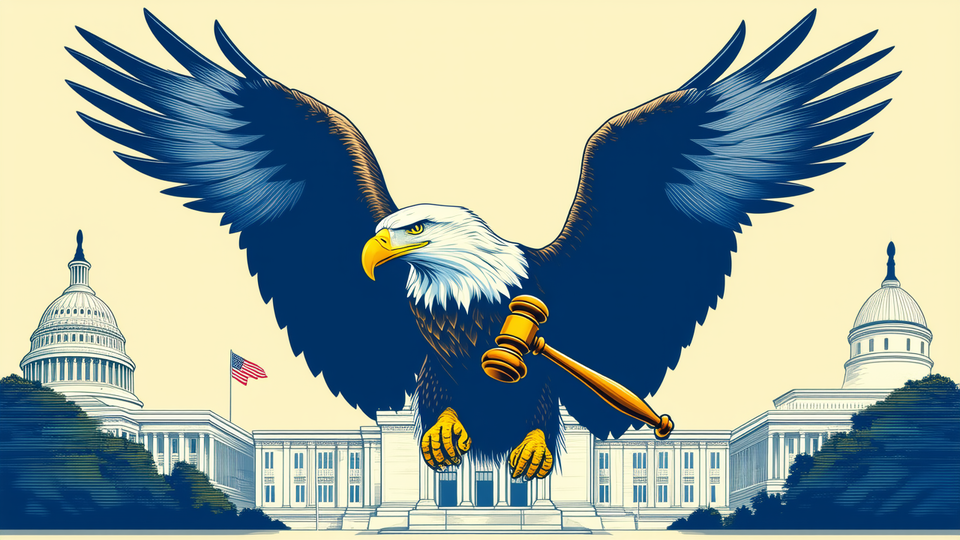
The U.S. Stance on ICC Jurisdiction
On July 2, 2026, the U.S. Department of Justice formally notified the International Criminal Court that Washington will not cooperate with any ICC investigations involving American citizens. The letter emphasized that the United States rejects the notion that the court holds any legal power over its nationals.
The administration’s position rests on several legal arguments. It asserts that the ICC’s jurisdiction, as defined in the Rome Statute, does not extend to individuals from countries that have not ratified the treaty. The United States, having signed but never become a party, therefore maintains that the court cannot assert authority over its people.
Diplomatically, the move signals a firm stance in ongoing debates about the ICC’s reach. By rejecting cooperation, the Trump administration reinforces a broader policy of protecting national sovereignty and limiting external legal interference. This approach aligns with the administration’s broader foreign‑policy agenda, which prioritizes American autonomy in international affairs.
The implications are significant. Critics argue that the decision may hinder accountability for alleged crimes committed abroad, potentially straining relations with allies who support the ICC. Supporters contend that it safeguards U.S. citizens from politically motivated prosecutions and upholds the principle that international bodies should not overstep the consent of sovereign nations.
In sum, the United States’ rejection of ICC jurisdiction reflects a clear legal and diplomatic posture. The administration’s refusal to cooperate underscores its commitment to national sovereignty while prompting a continued conversation about the balance between international justice mechanisms and domestic legal authority.