Treasury Department Halts Harriet Tubman $20 Bill Redesign
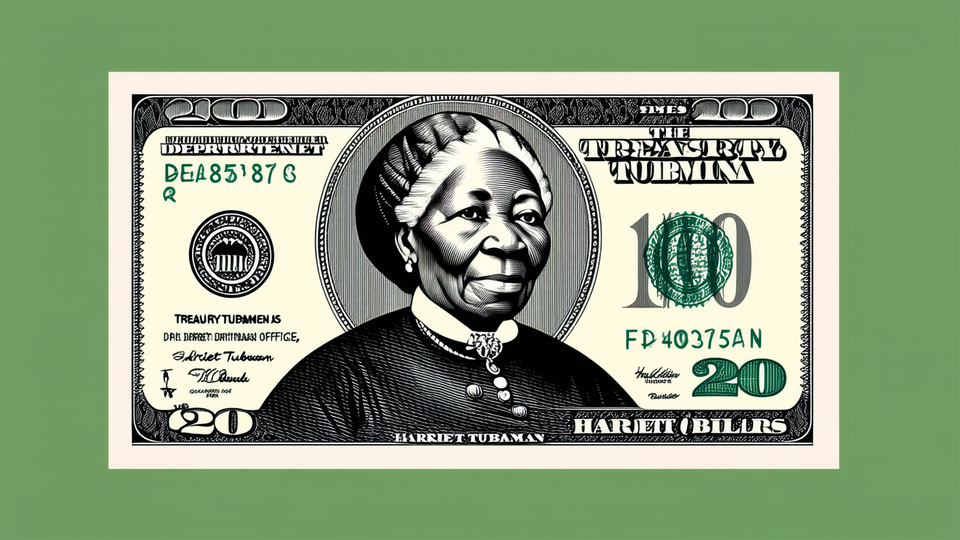
Washington, D.C. – The United States Treasury Department announced on July 7, 2026 that it will not proceed with the long‑promised redesign of the $20 Federal Reserve note to feature Harriet Tubman. Treasury Secretary Scott Bessent confirmed to Spectrum Local News that the agency has halted the project, stating, “We are not at present planning to put Tubman on the bill.”
The plan to honor Tubman was first introduced in 2016 by then‑Treasury Secretary Jack Lew during the Obama administration. The redesign was intended to coincide with the centennial of women’s suffrage in 2020, replacing Andrew Jackson on the front of the note. Subsequent administrations pushed the timeline further out to accommodate new anti‑counterfeiting technology, with the Trump administration reportedly postponing the rollout until 2026.
Under President Joe Biden, the effort was revived, and Congresswoman Joyce Beatty (D‑OH) introduced legislation in 2020 to require the change by 2025. However, the bill never passed, leaving the Treasury to continue its internal redesign process without a clear statutory deadline.
Secretary Bessent emphasized that changing existing currency is a complex, multiyear undertaking. “The process of currency redesign is complex and was always expected to extend beyond the span of one administration,” he said. The Treasury’s Bureau of Engraving and Printing had already received instructions to ramp up production, but the recent decision halts those preparations.
The reversal has drawn criticism from Democratic leaders. Senator Jeanne Shaheen (D‑NH) described the move as “extremely disappointing,” noting that a portrait of Tubman would recognize a pivotal figure in American history. Some observers see the decision as a political statement, especially after the Treasury announced plans for a new $250 bill bearing President Donald Trump’s likeness—a proposal that would require an act of Congress, as the law prohibits living individuals from appearing on U.S. currency.
Implications and Reactions
The abandonment of the Tubman redesign highlights the broader challenges of updating national symbols in a polarized political environment. While advocates argue that placing a woman and an African‑American hero on high‑profile currency would reflect modern values and promote representation, opponents contend that redesigns should prioritize security features over symbolic changes.
For now, the $20 bill will continue to feature Andrew Jackson, and any future attempts to honor Tubman or other historic figures will likely depend on legislative action and a consensus that transcends partisan divides.
In the meantime, the Treasury’s focus appears to be shifting toward the proposed $250 note, a controversial move that underscores the complex interplay between politics, finance, and national identity.