The True Crime Craze: How Obsession Shapes Culture and Gender Perceptions
True‑crime media now dominates podcasts, streaming services, and social platforms, drawing millions into the dark details of real murders, scams, and conspiracies. The genre’s popularity is especially pronounced among women, a trend highlighted by a commentator who notes that “women have been conditioned by modern culture to be extremely paranoid of men” and that they often rally behind female defendants when evidence is weak. This gendered empathy appears to stem from a deeper desire to protect against patriarchal violence, yet it also creates a selective narrative where facts are sometimes twisted to fit a drama of female victimhood.
Psychologists warn that this selective empathy can breed distrust. When audiences repeatedly encounter stories where women are framed as victims or scapegoats, they may come to see all male figures through a lens of suspicion. One analyst argues that “the drama pulls them in – a woman being framed by a man is a far more interesting scenario than a cut‑and‑dry case.” The emotional intensity of such narratives fuels a cycle of belief reinforcement: viewers reject contradictory evidence, dig for conspiracies, and double down on their convictions.
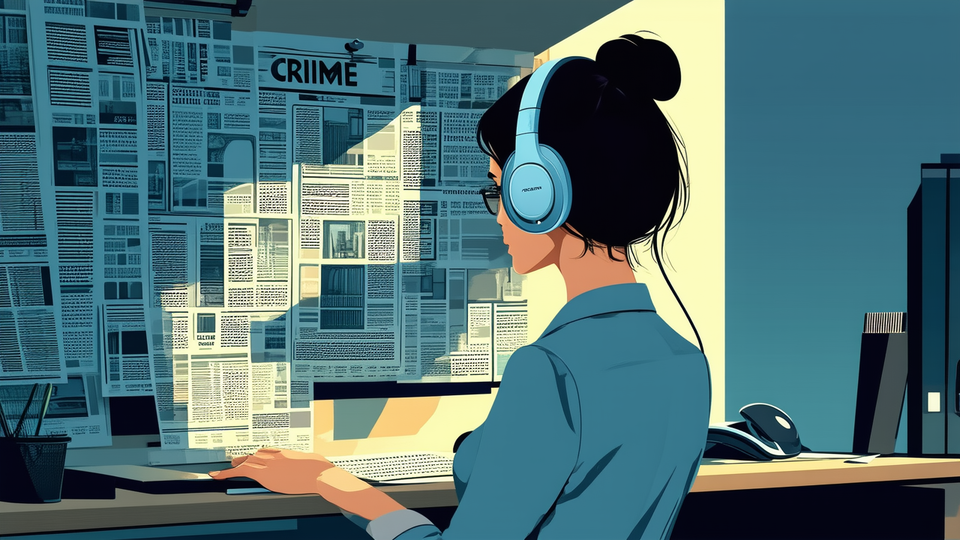
Beyond gender bias, the obsession with real‑life horror has broader psychological effects. Some observers point out that prolonged exposure to graphic details can desensitize audiences, turning genuine suffering into background noise. A writer describes how hours of listening to crime podcasts have led her to question whether the constant barrage of violence is eroding empathy and shaping a “gossip‑driven” culture where every case becomes a speculative game.
Despite these concerns, proponents of true‑crime media argue it serves a public‑service role. By dissecting motives and methods, the genre can educate the public on warning signs and personal safety. Viewers often claim that learning about perpetrators helps them feel more prepared for potential threats. However, critics counter that the thrill of mystery often outweighs educational intent, turning tragedies into entertainment spectacles that prioritize drama over truth.
The commercial side of the phenomenon cannot be ignored. Networks, streaming platforms, and independent creators capitalize on the relentless demand for fresh content, producing documentaries, podcasts, and live‑streamed discussions that blur lines between journalism and sensationalism. As audiences share theories on TikTok and other platforms, each new detail becomes a meme, reinforcing the cycle of consumption and speculation.
Ultimately, the true‑crime obsession reflects a cultural tension: a genuine yearning for safety and understanding collides with the lure of narrative drama. As the genre continues to grow, it challenges creators, consumers, and policymakers to balance the educational benefits of awareness with the responsibility to respect victims, avoid sensationalism, and foster a healthier dialogue about crime, gender, and media consumption.