The Bogfather’s Mission: Restoring Wales’ Peatlands to Combat Climate Change
Introduction
Dr Peter Jones, affectionately nicknamed The Bogfather, has spent three decades immersed in Wales’ bogs and fens. From a childhood trek to Cors Caron at age eight to a career in plant science, his goal has become clear: heal the nation’s peatlands and turn them back into powerful allies against climate change.
Why Peatlands Matter
Although peatlands cover only 4% of Wales’ surface, they store an impressive 30% of the country’s land‑based carbon. When healthy, they act as carbon sinks, trapping carbon in partially decomposed plant material. However, about 90% of Welsh peat has been drained for agriculture and forestry, causing the soils to release stored greenhouse gases back into the atmosphere.
Beyond carbon storage, healthy peatlands slow the flow of water, reducing downstream flooding, and provide natural firebreaks—critical as wildfires become more common under a warming climate. They also support a unique web of life, from scarce invertebrates to the delicate fly orchid that attracts digger wasps for pollination.
Restoration Methods
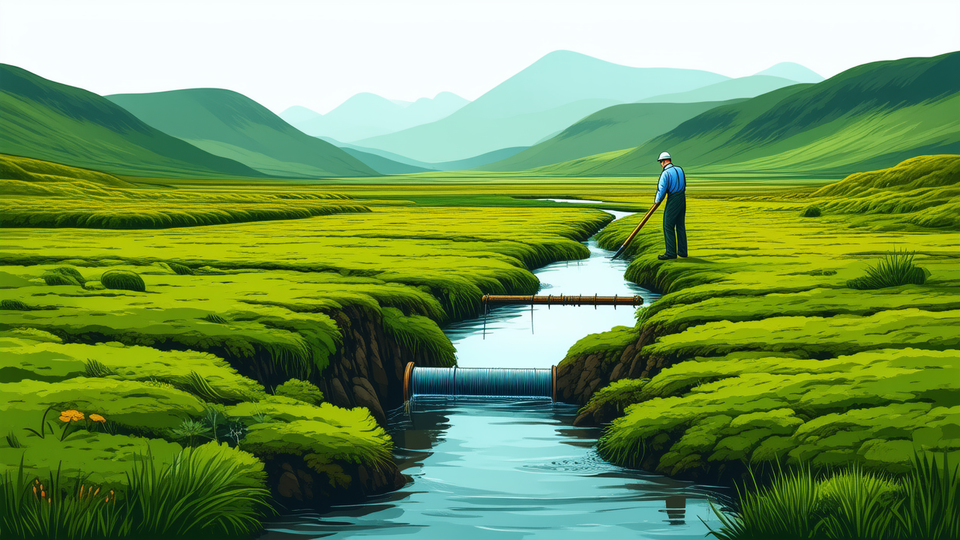
Jones and his teams employ a toolbox of more than 100 techniques to revive peatlands. The most common approach is to block drainage ditches, allowing water tables to rise and create the water‑logged conditions needed for sphagnum moss to thrive. Sphagnum can hold twenty times its own weight in water and is essential for peat formation, which accumulates at roughly one millimetre per year—meaning a metre of peat can take up to a thousand years to develop.
Restoration also involves re‑planting native vegetation, managing grazing pressure, and collaborating with local farmers to adopt peat‑friendly practices. This partnership not only improves the land but also sustains rural livelihoods, reflecting a holistic view of environmental stewardship.
Climate Benefits and Future Goals
By restoring peat, Wales can capture additional carbon, enhance flood resilience, and protect biodiversity—all at once. Jones estimates that restored peat will gradually accumulate carbon at a steady rate, contributing to Wales’ climate targets. The national ambition is to restore around 1,800 hectares of peatland each year by the end of 2030‑31, a scale that would significantly boost the country’s carbon balance.
Challenges remain, especially as climate change may bring drier summers, making peat restoration more difficult. Nevertheless, the combined efforts of scientists, landowners, and policymakers are creating a growing network of restored sites, each adding to the collective climate solution.
Conclusion
Dr Peter Jones’s lifelong dedication to peatlands illustrates how nature‑based solutions can address multiple climate challenges. Restoring Wales’ bogs not only sequesters carbon but also safeguards communities from floods, protects unique species, and reinforces a sustainable relationship between people and the land. As the project expands, peatlands are emerging as a cornerstone of Wales’ fight against climate change.