Texas Mandates Data Centers Generate Their Own Power and Reuse Water
Introduction
Texas officials unveiled a sweeping policy on June 23, 2026 that requires all data centers operating in the state to generate their own electricity and to implement water‑reuse systems. The rule, announced by Gov. Greg Abbott, shifts the responsibility for power and water management from the public grid to the facilities themselves, aiming to reduce strain on utilities and protect scarce water resources.
New Power‑and‑Water Rule
According to Abbott, the mandate is a "bottom‑line expectation" for data centers. They must "reduce electricity costs for residential customers as well as small business customers," and they must not rely on the ERCOT grid for new power needs. The governor emphasized that Texas’ grid is "by far the strongest in the country," having increased generation capacity by 51 % over the past five years.
Impact on the Texas Grid and Water Resources
The Department of Energy predicts AI workloads could double nationwide electricity demand by 2030, with Texas positioned as a testing ground. By requiring facilities to bring their own power, the rule seeks to keep the public grid from being overwhelmed by massive, constantly‑growing data loads. Water usage is also a focus: data centers historically rely on large cooling systems, but many companies have not disclosed how much water they consume. A 2026 hearing revealed that fewer than one‑third of surveyed operators answered state questions about water and electricity, leaving regulators with "bad data, bad study" and a limited view of the sector’s environmental impact.
Industry Response and Technological Solutions
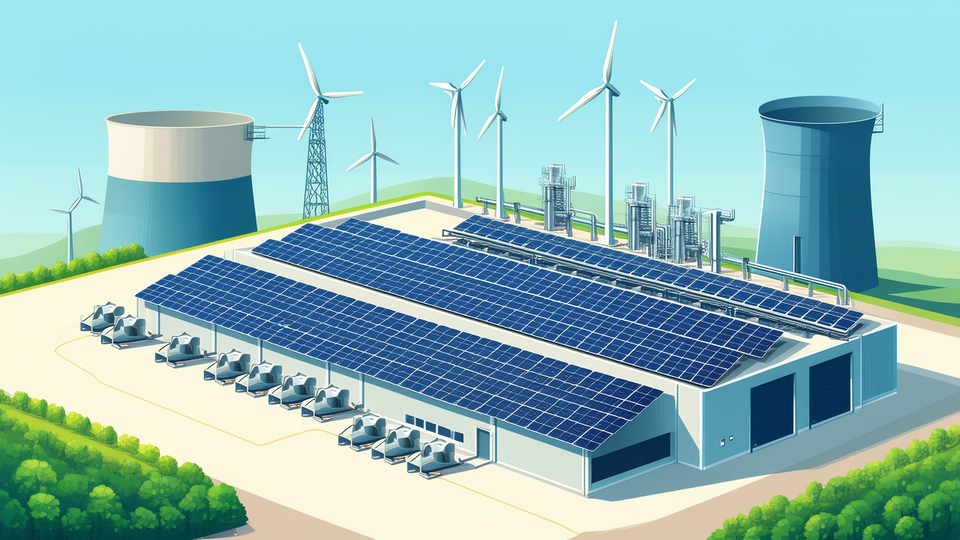
Some of the biggest players are already moving toward sustainable designs. Google’s newest Texas AI facilities will use 100 % air‑cooled, closed‑loop cooling systems, which dramatically cut fresh‑water demand. Anthropic’s upcoming projects also promise efficient water recirculation. However, the recent Texas Tribune survey shows that many data center developers have yet to provide the required information, raising concerns about transparency and compliance.
Governor Abbott’s office has urged public utilities to keep any additional costs off customers’ bills and has recommended that water‑reuse technology become a standard part of data center planning. The rule therefore creates both a compliance challenge and an opportunity for engineers to innovate with renewable power sources and closed‑loop cooling.
Conclusion
Texas’ new mandate places the burden of power generation and water stewardship directly on data center operators. By forcing facilities to be self‑sufficient, the state hopes to protect residential electricity rates, preserve water supplies, and keep its grid resilient as AI‑driven demand soars. The success of the policy will depend on industry transparency and the adoption of advanced, environmentally‑friendly technologies.