Temple Mount Policy Shift: From Silent Prayer to Public Worship Sparks Debate
Temple Mount Policy Shift
The holy plateau in Jerusalem has undergone a rapid transformation. Where once silent prayer by Jews could lead to detention, recent years have seen a loosening of those constraints, culminating in organized public worship and even prostration on the rock itself. This evolution reflects a broader move by Israeli authorities to reinterpret long‑standing restrictions.
From the reopening of the site to Jews in 2004 through the early 2010s, access was limited to a few visitors at a time, and any form of prayer—silent or vocal—was officially prohibited. Over the next decade, the police gradually relaxed enforcement. By the end of 2020, silent prayers no longer resulted in arrest, and in 2024 the distribution of prayer pamphlets became routine. In June 2024, groups of Jewish worshippers gathered for a communal Mincha service, openly reciting prayers under police oversight.
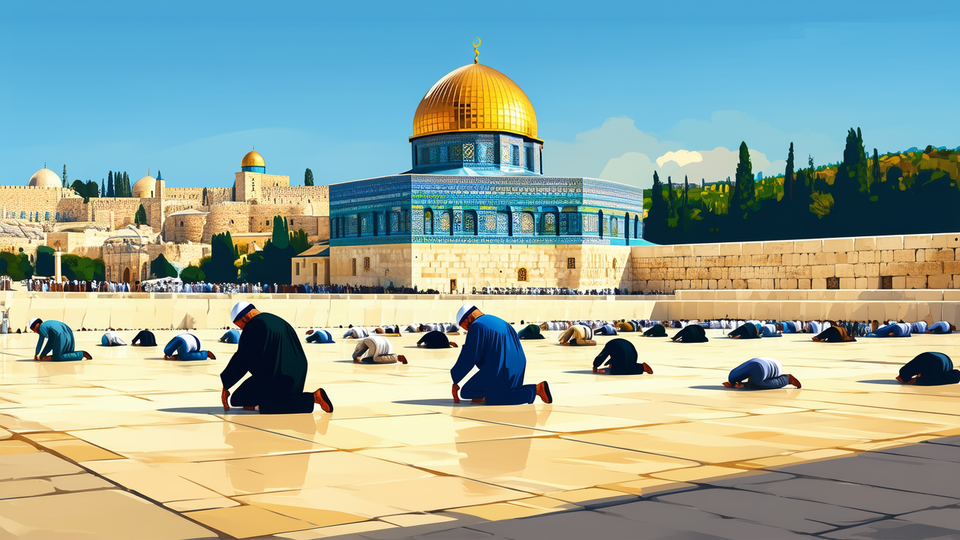
The shift reached a new level in August 2024 when worshippers bowed down in prayer, a gesture traditionally reserved for the interior of a synagogue. The police allowed the act without interference, and the gesture was repeated on subsequent visits. These public displays of faith have been described as a historic moment for the Jewish community, fulfilling biblical prophecies of worship at the site.
Alongside these religious changes, political and security dimensions have intensified. Israeli officials maintain that the status‑quo of Muslim exclusive prayer remains in place, yet nationalist ministers have repeatedly entered the compound with supporters, holding flags and singing the national anthem. Palestinian leaders warn that further encroachments could ignite widespread unrest, recalling the 2000 incident that sparked the Second Intifada. Israeli police report that Muslim worshippers continue to enjoy unrestricted access, with estimates of 140,000 Muslims attending Eid prayers alone.
Supporters argue the new policy restores a rightful religious presence for Jews, while critics contend it undermines the delicate balance that has prevented conflict for decades. Human rights observers suggest that a transparent, legally codified framework is needed to protect the rights of all faith communities while preserving public safety.
In sum, the Temple Mount’s opening to public Jewish worship marks a decisive policy shift that blends religious freedom with complex political realities. The challenge ahead lies in crafting an inclusive approach that respects the site's multifaceted significance and maintains peace for all who hold it sacred.