Teen Takeover Wave Sweeps Washington D.C., Prompting Curfew Debate
In the weeks leading up to the summer break, a troubling pattern has emerged across the United States: large, unannounced groups of teenagers converging in downtown hotspots, causing property damage and terrifying onlookers before vanishing before police can intervene. Dubbed “teen takeovers,” these flash‑mob style events are coordinated on platforms like TikTok and Instagram, where a single video can ignite a city‑wide sprint for attention.
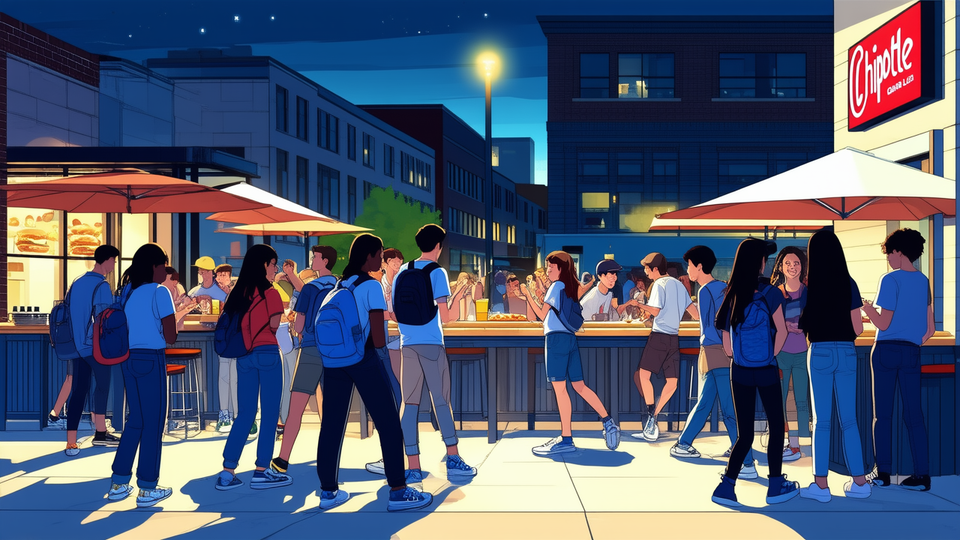
Washington D.C. is now the epicenter of this wave. On a recent Saturday night, dozens of teens stormed the Navy Yard district, climbing onto a Chipotle restaurant’s patio, smashing chairs, and hurling food. Video footage captured by bystanders shows masked youths shouting and daring the police to intervene. Within minutes, officers arrived, issued dispersal warnings, and retreated as the crowd melted back into the night. Similar incidents have flared at Union Station, where a ten‑minute melee left $200 in merchandise damaged and a store employee shaken.
City officials are scrambling to respond. The District’s curfew, which bars anyone under 18 from being in public after 8 p.m., was extended last month from its original 11 p.m.–6 a.m. window. Yet the measure is polarizing. In the current mayoral race – the most contested in D.C. history – Democratic hopefuls Kenyan McDuffie and Janeese Lewis George are locked in a debate. McDuffie supports the curfew, arguing that “government has a responsibility to act when large groups overwhelm public spaces and put residents at risk.” George, however, opposes an extension, warning that “federal armed agents are already patrolling our streets, and expanding police power will alienate our youth further.”
Beyond politics, the phenomenon reflects deeper social currents. Many of the teens involved grew up during COVID‑19 school closures and have spent formative years glued to screens. Social isolation, combined with the dopamine hit of viral fame, appears to drive many to seek “real‑world” excitement in public arenas. Law‑enforcement agencies in Florida and New Jersey have begun monitoring social‑media chatter to pre‑empt gatherings, employing dedicated analysts to track trending hashtags and geotagged posts.
Community leaders propose an alternative playbook: investment in after‑school programs, mentorship opportunities, and safe youth hubs. In the Navy Yard, local businesses have begun hiring teens for summer gigs, aiming to channel the same energy that fuels the takeovers into productive work. Critics argue these measures are too slow, urging immediate enforcement to restore public confidence.
As the nation watches D.C.’s handling of the teenage surge, the stakes are clear. The balance between safety and civil liberties, between punitive curfews and proactive youth engagement, will shape not only the city’s summer but also the broader conversation about how America supports its youngest citizens in an increasingly digital age.