Supreme Court Declines to Review 9/11 Mastermind's Plea Deal, Leaving Death Penalty Option
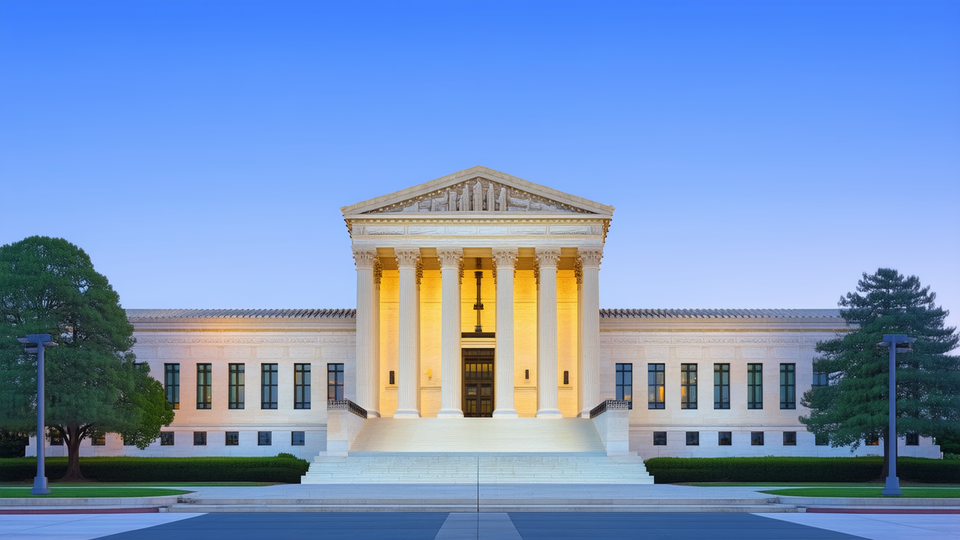
The United States Supreme Court on October 19, 2026 declined to hear a petition filed by Khalid Sheikh Mohammed, the admitted mastermind of the September 11 attacks, and co‑defendants Walid bin Attash and Mustafa al‑Hawsawi, seeking to restore a 2024 plea agreement that would have removed the death penalty.
The petition asked the high court to overturn a July 2025 decision by the U.S. Court of Appeals for the District of Columbia Circuit, which held that former Defense Secretary Lloyd Austin possessed the authority to cancel the plea deal after it had been negotiated with the Office of Military Commissions.
The original plea agreement, reached in July 2024, required the three defendants to plead guilty to all charges related to the 9/11 attacks and accepted life imprisonment without parole in exchange for the government dropping the death‑penalty option. Austin rescinded the deal days later, arguing that only the Pentagon chief could make such a determination.
Following Austin’s reversal, the defendants appealed the cancellation. The D.C. Circuit affirmed the Pentagon chief’s authority, and the Supreme Court’s refusal to review the case leaves that precedent intact.
Justice Brett Kavanaugh, who served in the George W. Bush administration’s Justice Department and assisted with post‑9/11 terrorist prosecutions, recused himself from the Supreme Court’s consideration of the petition.
With the Supreme Court’s denial, the three men remain in the Guantánamo Bay detention facility, where they have been held since 2006, and are scheduled to stand trial before a military commission beginning in June 2028. The upcoming trial retains the possibility of a capital‑punishment sentence, a fate the plea deal would have eliminated.
The decision was issued without an accompanying explanation, and no dissenting justices were noted. The Court’s order also confirmed that the defendants will face the same legal questions that have delayed their trial for years, including the admissibility of confessions obtained under enhanced interrogation techniques.
The next procedural step is the scheduling of the military court proceedings, which will likely address evidentiary challenges and the ongoing debate over the use of evidence obtained through controversial interrogation methods.