State Withdrawals From Trump’s 250th Anniversary Gala Highlight Political Divide
State Withdrawals From Trump’s 250th Anniversary Gala
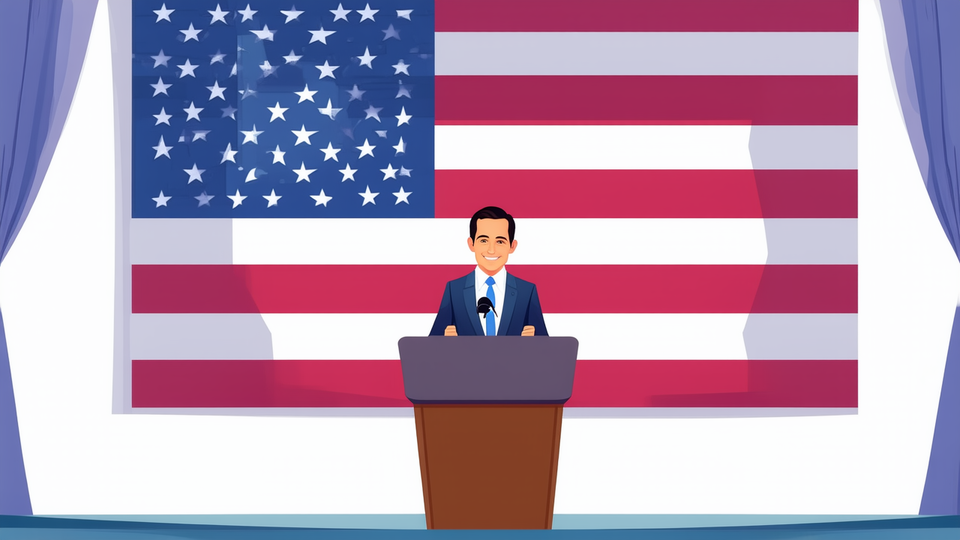
In late June 2026, Pennsylvania Governor Josh Shapiro publicly confirmed that his state will not take part in former President Donald Trump’s much‑advertised 250th‑anniversary gala on the National Mall. Shapiro stressed that the decision reflects the sentiment of Pennsylvania businesses, which collectively declined to fund a $700,000 participation fee. He added that the president’s tendency to turn patriotism into a personal rally further alienated the state’s leaders.
Shapiro’s announcement places Pennsylvania alongside eight other jurisdictions—Oregon, Washington, Massachusetts, Illinois, Connecticut, Maine, Rhode Island, and North Carolina—that have already indicated they would not join the event. These withdrawals signal a coordinated response from states that view Trump’s “Great American State Fair” as an over‑reach of partisan spectacle rather than a unifying national celebration.
The governor explained that the Pennsylvania Chamber of Commerce surveyed businesses across the Commonwealth, and none expressed interest in sponsoring the gala. By rejecting the invitation, the administration aims to convey that patriotism should belong to “we, the people” instead of a single individual. Shapiro’s remarks echo concerns that the president has politicized the occasion to the point where “we, the people” are excluded.
Beyond the financial considerations, the withdrawals illustrate a broader political rift. Trump’s campaign to embed his image in historic landmarks—such as a proposed triumphal arch and a restored Reflecting Pool—has drawn criticism from Democrats and some Republicans who see the effort as a “monarchical” rebranding of American symbols. Political analysts note that the growing list of states opting out may bolster opposition narratives that Trump’s brand of populism threatens democratic norms and fiscal responsibility.
While Pennsylvania’s decision is anchored in business feedback, it also carries electoral significance. The state, a key swing jurisdiction that voted for Trump in both 2016 and 2024, is now witnessing a governor who maintains high approval ratings across party lines while openly critiquing Trumpism. Shapiro’s stance suggests a strategy to appeal to moderate voters by separating the state’s interests from the president’s controversial self‑promotion.
In summary, the collective state withdrawals from Trump’s 250th‑anniversary gala reflect a decisive pushback against using a national milestone for partisan theatrics. By refusing participation, Pennsylvania and its fellow states signal a demand for inclusive patriotism and fiscal prudence, setting the tone for upcoming political battles.