Starbucks sued on Oct. 7, 2026 for labeling protein drinks as sugar‑free despite sugar content
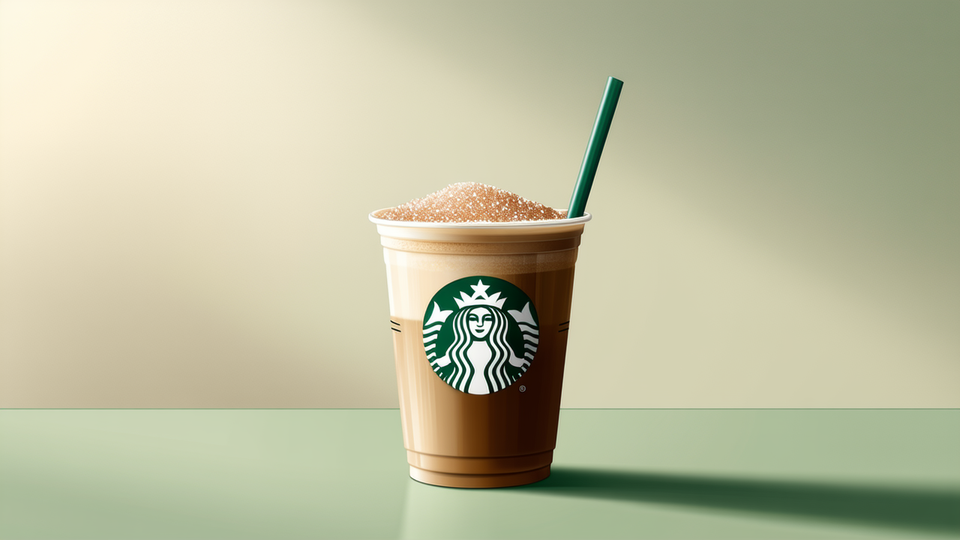
A federal lawsuit was lodged in early October 2026 in the U.S. District Court for the Western District of Washington, accusing Starbucks Corporation of misleading consumers by labeling several protein drinks as "Sugar‑Free" while they contain measurable amounts of sugar.
The complaint cites eight hot and iced beverages – including Sugar‑Free Vanilla Protein Latte, Sugar‑Free Caramel Protein Latte and various protein matcha drinks – and states that each venti‑size serving contains between 13 and 21 grams of sugar, a level comparable to a candy bar.
Plaintiffs argue that the product names violate federal regulations governing "sugar‑free" claims, which generally require a product to contain less than 0.5 gram of sugar per serving. They contend that the presence of lactose, a naturally occurring sugar in milk, does not satisfy the requirement for a "sugar‑free" label.
Starbucks responded that the drinks use sugar‑free syrups for flavoring and that the sugar present comes from the protein‑boosted milk rather than added sugar. A company spokesperson said, "We believe these claims have no merit," and emphasized that the chain provides comprehensive nutritional information across its menus, website and app.
Registered dietitian Nicolette Pace explained that while lactose is not counted as added sugar, "sugar‑free" and "no added sugar" are distinct terms, and consumers may be confused when the former appears on packaging despite the presence of natural sugars. Dr. Michael Aziz added that under FDA rules, a product labeled "sugar‑free" must contain less than half a gram of sugar per reference amount, a threshold the Starbucks drinks exceed.
Attorney Danny Karon, who is not involved in the case, said the plaintiffs must prove that consumers relied on the misrepresentation when purchasing the beverages, a hurdle that could shape future labeling disputes across the food industry.
The lawsuit seeks an injunction preventing Starbucks from using the "Sugar‑Free" descriptor unless the drinks meet the regulatory definition, as well as damages and restitution for affected consumers. The case remains pending, and its outcome could prompt the chain to revise its branding or adjust the formulation of its protein lineup.