SSPX Defies Pope Leo XIV: Tradition, Schism, and Vatican Sanctions
SSPX Defies Pope Leo XIV: Tradition, Schism, and Vatican Sanctions
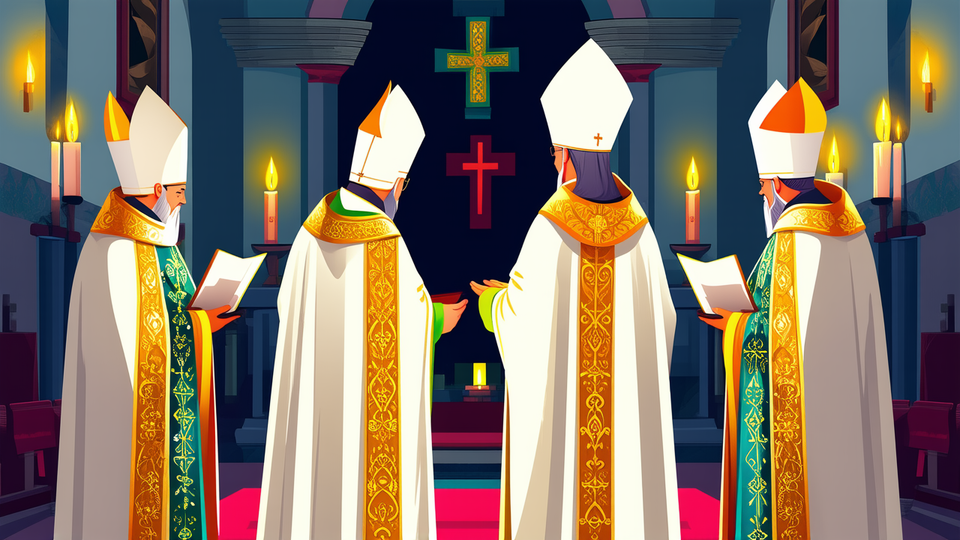
The Society of Saint Pius X (SSPX) announced a historic ceremony on July 3, 2026 in Econé, Switzerland, where it consecrated four new bishops without papal approval. The Society’s superior, Rev. Davide Pagliarani, framed the act as an “extraordinary initiative for the salvation of souls,” insisting that the faithful require sacramental care that the SSPX believes the ordinary hierarchy no longer adequately provides.
Founded in 1970 by French Archbishop Marcel Lefebvre, the SSPX emerged in direct opposition to the reforms of the Second Vatican Council (1962‑1965). Those reforms introduced the vernacular Mass, expanded ecumenical outreach, and reshaped the Church’s relationship with the modern world. The Society has steadfastly defended the pre‑conciliar Tridentine Latin Mass, viewing it as a safeguard of mystery and doctrinal purity.
Pope Leo XIV, a staunch defender of the post‑Vatican II reforms, repeatedly urged the SSPX to halt the consecrations. In a personal letter, he warned that proceeding would constitute “a sin of extreme gravity” and jeopardize the sacramental validity of the faithful under the Society’s care. Despite this plea, the SSPX proceeded, prompting the Holy See to declare the consecrations a grave breach of canon law and to issue automatic excommunications for all participants.
The Vatican’s response was swift and decisive. It declared the sacraments of confession and marriage administered by SSPX priests invalid, signaling a hardening of disciplinary measures. Vatican officials, including ethics expert Robert Gahl of The Catholic University of America, emphasized that the excommunications clearly delineate the line between legitimate Church authority and the SSPX’s claim to be “more Catholic than the Pope.”
Supporters within the SSPX argue that the consecrations were necessary to meet an urgent pastoral need. They claim that without a hierarchical structure of bishops, the faithful who prefer the Latin Mass would be left without proper sacramental oversight. The Society’s statements portray the Vatican’s sanctions as “unjust and invalid,” positioning themselves as victims of an overreaching Holy See.
Historically, the SSPX faced a similar crisis in 1988 when Archbishop Lefebvre consecrated four bishops without papal mandate, resulting in excommunication for both the bishops and Lefebvre himself. After prolonged negotiations, Pope Benedict XVI lifted those excommunications in 2009, though doctrinal tensions have persisted. Pope Francis later restored the ability of SSPX priests to hear confessions but later rescinded that concession amid ongoing controversies.
The current schism underscores a broader conflict within Catholicism: the balance between preserving liturgical tradition and embracing the reforms intended to engage the modern world. While the SSPX views its actions as a protective measure for the faithful, the Vatican maintains that unity under the Pope’s authority is essential for the universal Church’s integrity.
As the debate unfolds, both sides continue to appeal to the faithful. The SSPX emphasizes dedication to the timeless liturgy, whereas the Vatican stresses obedience to canonical law and the Pope’s primacy. The outcome of this clash will likely influence future discussions on liturgical practice, ecclesial authority, and the place of traditionalist movements within the global Catholic community.