Sri Lanka Deploys Military to Combat Dengue Surge
Military Steps In to Fight Dengue in Sri Lanka
In late June 2026, Sri Lanka faces a severe dengue fever outbreak that has pushed hospitals to the brink. More than 1,000 patients are being admitted each day, and the country has already recorded nearly 50,000 cases and 29 deaths. The rapid increase follows weeks of heavy monsoon rains, flooding and discarded waste that created ideal breeding grounds for the Aedes mosquito, the primary vector for dengue.
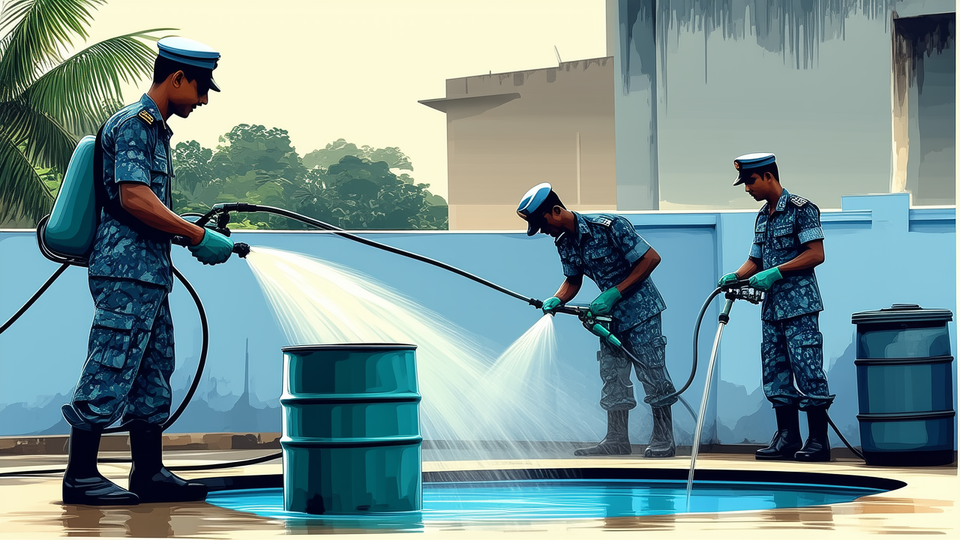
To halt the spread, President Anura Kumara Dissanayake’s administration ordered the army, navy and air force to join forces in a new special unit. Officers from all three services are tasked with identifying stagnant water pools, applying larvicide, and destroying mosquito habitats in both urban and rural areas. The deployment also includes strict enforcement of existing laws that punish property owners who allow mosquito breeding on their premises.
Health officials warn that hospitals could become overwhelmed if the surge continues. Kapila Kannangara, head of the national dengue unit, emphasized the urgency, stating that authorities do not want a repeat of the 2017 crisis, when more than 186,000 patients required care and 440 people died. The military’s involvement brings logistical capacity, rapid response teams and aerial surveillance to target hard‑to‑reach breeding sites.
Experts link the current outbreak to broader environmental factors. The World Health Organization has cautioned that climate change intensifies the spread of mosquito‑borne viruses by expanding the range and breeding season of vectors like Aedes. Sri Lanka’s recent floods, combined with inadequate waste management, have amplified the risk. By deploying the armed forces, the government signals a commitment to combine public health measures with environmental stewardship, aiming to reduce mosquito populations and protect communities.
The nationwide clean‑up campaign launched alongside the military effort encourages citizens to eliminate standing water in containers, flower pots and discarded tires. Community volunteers are being mobilized to report potential breeding sites, while public awareness messages stress personal protection measures such as using repellents and wearing long sleeves during peak mosquito activity.
Early signs suggest that the coordinated response is already making an impact. Reports from several districts indicate a decline in new infections and fewer severe cases requiring hospitalization. Continued vigilance, combined with sustained vector‑control operations, will be essential to bring the outbreak under control and safeguard public health.
Overall, the integration of military resources into the dengue response underscores Sri Lanka’s resolve to confront a public‑health emergency with decisive, science‑driven action. By addressing both the immediate threat of mosquito proliferation and the underlying environmental contributors, the country aims to protect its citizens and avoid a repeat of past tragedies.