Secretary of State Marco Rubio launches Uzbekistan‑India economic tour
U.S. Secretary of State Marco Rubio began a week‑long diplomatic trip to Uzbekistan and India on Oct. 18, 2026, to advance commercial and economic cooperation between the United States and the two Asian nations.
The tour marks a fresh emphasis on strengthening U.S. ties in Central and South Asia, offering American firms a platform to explore trade and investment opportunities while reinforcing strategic partnerships in a region of growing geopolitical importance.
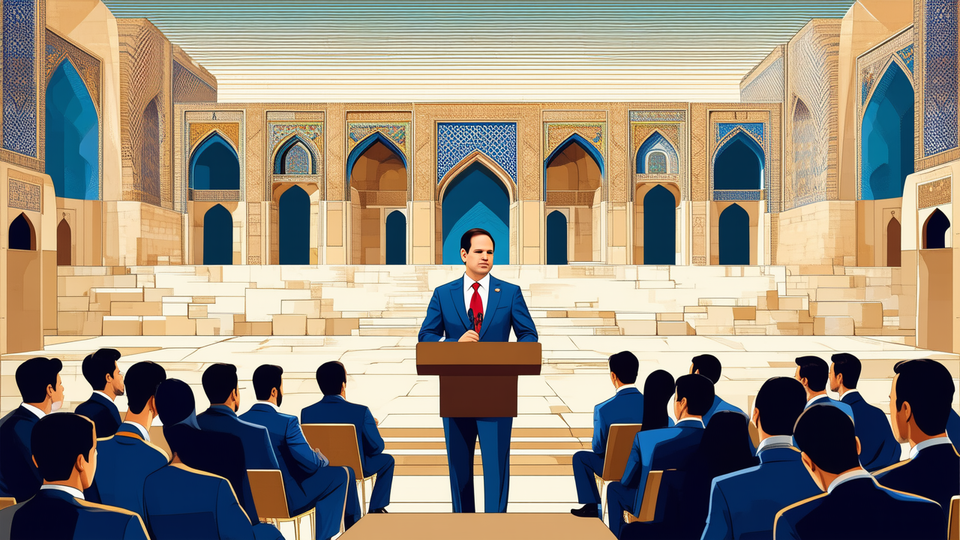
Rubio arrived in Samarkand, Uzbekistan, to participate in the C5+1 Ministerial—a diplomatic forum that brings together the foreign ministers of Kazakhstan, Kyrgyzstan, Tajikistan, Turkmenistan and Uzbekistan. The meeting seeks to promote peaceful and prosperous relations between the United States and the five Central Asian states.
Accompanying the secretary of state was a commercial delegation of more than 200 U.S. business leaders, underscoring the administration’s intent to translate diplomatic dialogue into concrete economic projects.
Speaking at Joint Base Andrews before departure, Rubio explained that the timing was chosen to align with the availability of all five C5 foreign ministers, enabling a coordinated discussion of shared priorities.
After the Uzbekistan leg, Rubio will travel to India, with scheduled stops in Mumbai and Jamnagar. The Indian portion of the tour aims to strengthen the strategic partnership, exchange perspectives on regional and global dynamics, and explore joint opportunities in the energy sector.
Rubio posted on X, “Just departed for Uzbekistan and India to continue securing the Trump Administration’s economic opportunities for our nation,” signaling the administration’s commercial agenda.
The secretary of state is set to conclude the tour later in the week with additional bilateral meetings in India, after which the U.S. delegation will return to Washington to brief policymakers on the outcomes and next steps for joint ventures.