School Head Keeps Caldicot School Open in Heatwave, Emphasises Resilience
Keeping School Doors Open During a Scorching Heatwave
When Wales faced a red‑level heat warning in June, many schools closed or altered timetables, yet Caldicot School under headteacher Alun Ebenezer stayed open. On the hottest day attendance dropped to a third of the pupil body, but the decision reflected a belief that schools provide a protected setting where children can stay safe, hydrated, and continue learning.
Ebenezer explained that while homes vary—some are air‑conditioned, others cramped and lacking ventilation—school offers a reliable refuge. He noted that many families lack the means to keep children cool, making the school environment essential for wellbeing during extreme temperatures.
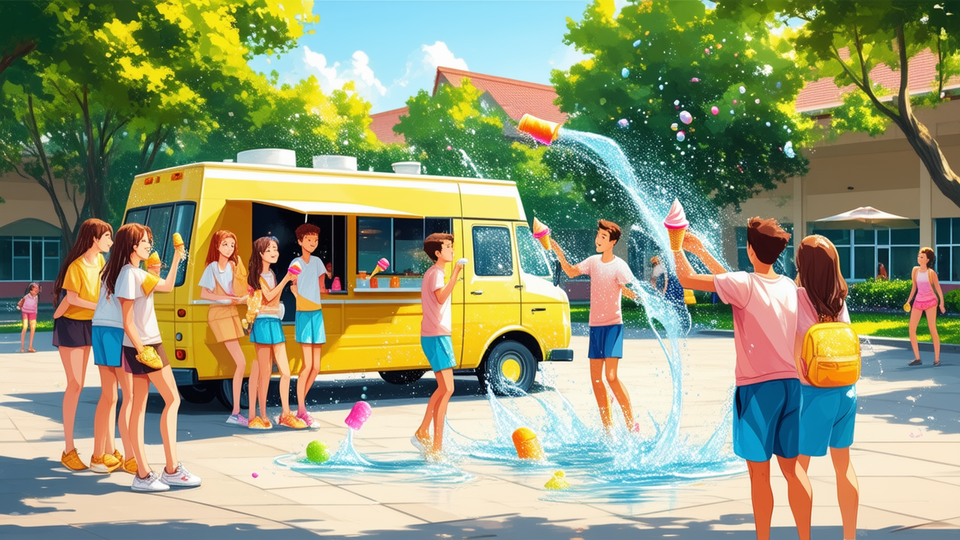
To adapt, the school adjusted dress codes, allowing pupils to wear PE kits, and introduced practical measures such as water provision and an ice‑cream van at lunch. He described the experience as a “hidden curriculum” teaching resilience, saying students learned “to get on with it and push through” rather than merely studying subjects like Macbeth.
The headteacher’s stance sparked discussion. Chris Parry, head of Lewis School in Pengam, chose to close for two days, citing risk assessments and building conditions. Parry emphasized safety, especially for younger children in poorly ventilated spaces. Both perspectives underline a tension between maintaining education continuity and ensuring physical health during climate‑related extremes.
Ebenezer also linked the debate to broader societal expectations, questioning why the public shows empathy for international crises yet becomes “a bit snowflakey” when local temperatures rise. He argued that resilience is a vital skill for future work in sectors such as farming, nursing, and medicine, which must continue despite the heat.
Overall, the decision to remain open highlighted the need for schools to balance immediate health concerns with long‑term educational goals, prompting calls for better infrastructure—like cooling systems—and policies that support pupils through increasingly common extreme weather events.