Santa Ana winds spark wildfires that raze homes and plunge 70,000 Southern Californians into darkness
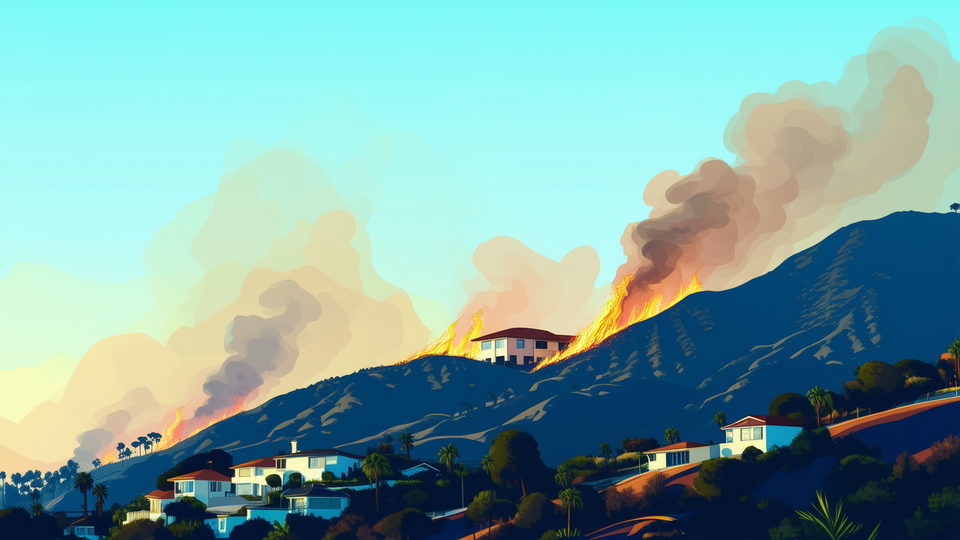
Fast‑moving wildfires driven by strong Santa Ana winds erupted across Southern California on Friday, October 17, 2026, destroying homes in Malibu, Orange County and San Diego County and cutting power to about 70,000 residents.
The blaze chain included the Bryson Fire near Malibu, the Henderson Fire on Camp Pendleton, and the Norte Fire in Orange County. The Bryson Fire had burned roughly 146 acres and was 17 % contained, while the Henderson Fire had already scorched more than 2,000 acres and forced a full closure of Interstate‑5 between Vandergrift Blvd. and Basilone Rd. The Norte Fire spread across 465 acres, remained uncontained and had razed six homes, with additional structures threatened.
Utility crews enacted emergency power shutoffs as a preventive measure. Southern California Edison reported that 52,953 customers in Los Angeles County and 57,120 customers in Ventura County were without electricity, a combined total of about 70,000 people, as officials worked to keep the grid from igniting additional fires.
Firefighters from the Los Angeles County Fire Department, California Highway Patrol, and multiple local agencies worked overnight and into the next day to suppress the flames and protect nearby communities. Los Angeles County Fire Chief Anthony Marrone described the conditions as a “red‑flag alert” that would likely last through Saturday night because of sustained high winds, low humidity and dry vegetation.
Evacuations were ordered for neighborhoods adjacent to the Bryson and Norte fires, and traffic officials directed motorists to avoid the I‑5 corridor while smoke reduced visibility. The Red Flag Warning covered Los Angeles and Ventura counties, prompting residents to stay vigilant and prepared for rapid fire spread.
Officials emphasized that the fires underscored the region’s heightened vulnerability during extreme wind events, a risk that has been amplified in recent election cycles as voters recall the devastating Los Angeles fire of 2025. While no fatalities were reported, the destruction of homes and the loss of power highlighted the need for continued brush‑clearance, infrastructure hardening and adequate staffing for firefighting resources.
Fire crews remained on scene into the night, focusing on containment lines and protecting additional structures. Utility crews began assessments to restore power where it was safe to do so, and weather forecasts were closely monitored for any change in wind intensity that could affect containment efforts.