Rahm Emanuel’s Bold Call for U.S. Policy Shift on Israel – 9 July 2026
Introduction
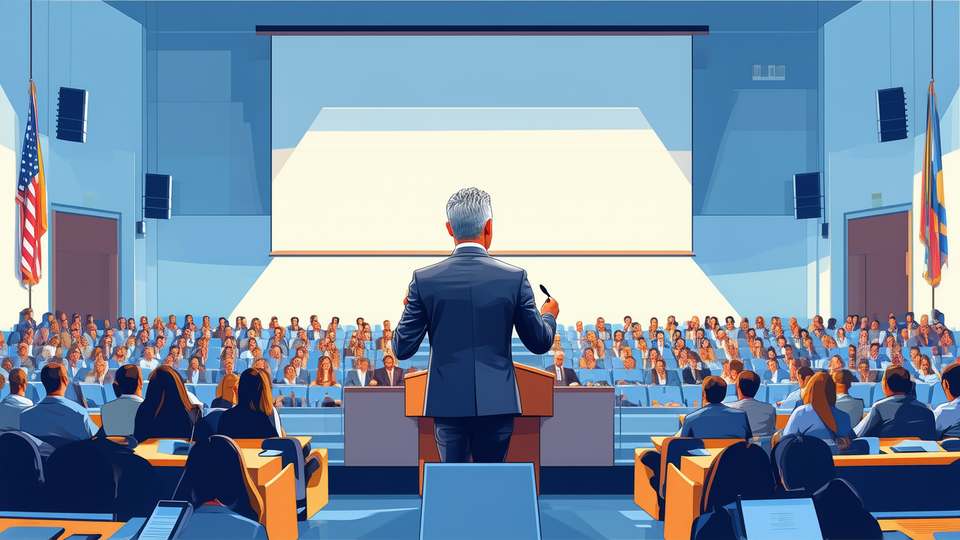
On 9 July 2026, former Illinois Governor and U.S. ambassador Rahm Emanuel addressed an audience at Tel Aviv University, delivering a candid assessment of Israel’s diplomatic standing. Citing a recent Associated Press‑NORC poll showing that 58 percent of Democrats believe the United States is “too supportive” of Israel, Emanuel warned that the country had slipped into the role of a “territorial pariah.” His remarks framed a call for a decisive policy shift by the United States.
Key Points of Emanuel’s Speech
Emanuel outlined three central proposals. First, he advocated ending U.S. subsidies to Israel’s defense budget, arguing that Israel should bear the same financial responsibility as any other ally. Second, he called for sanctions targeting Israelis who attack Palestinian civilians and property, as well as politicians who publicly endorse such actions. Third, he promoted a broader diplomatic outreach, urging Israel to strengthen ties with Arab states and to engage with the India‑Middle East‑Europe Economic Corridor, which offers an economic alternative to China’s infrastructure initiatives. Throughout, he emphasized that “true friends tell each other the truth,” positioning his critique as a form of constructive concern.
Implications for U.S.-Israel Relations
Emanuel’s proposals have sparked both applause and controversy. Supporters in the liberal audience highlighted the moral imperative to hold any nation accountable for violations of human rights, aligning with broader social‑justice values. Critics, particularly among Israel’s right‑wing leadership, viewed the remarks as hostile, noting past accusations of Emanuel being a “self‑hating Jew." The speech arrived as Israel faced internal divisions over its handling of the Gaza conflict and the upcoming national elections, raising questions about how U.S. policy might adapt to shifting political realities. By linking Israel’s isolation to potential economic and security setbacks, Emanuel suggested that a recalibrated approach could preserve stability while upholding democratic principles.
Conclusion
Rahm Emanuel’s July 9 address did more than label Israel a pariah; it offered a concrete roadmap for a more balanced U.S. stance that blends strategic interests with human‑rights concerns. Whether his recommendations gain traction will depend on the evolving dynamics within the Democratic Party, Israel’s domestic politics, and the broader international community’s appetite for a new diplomatic paradigm. The speech underscores a pivotal moment where ethical accountability and geopolitical strategy intersect, inviting a nuanced discussion about the future of U.S.–Israel cooperation.