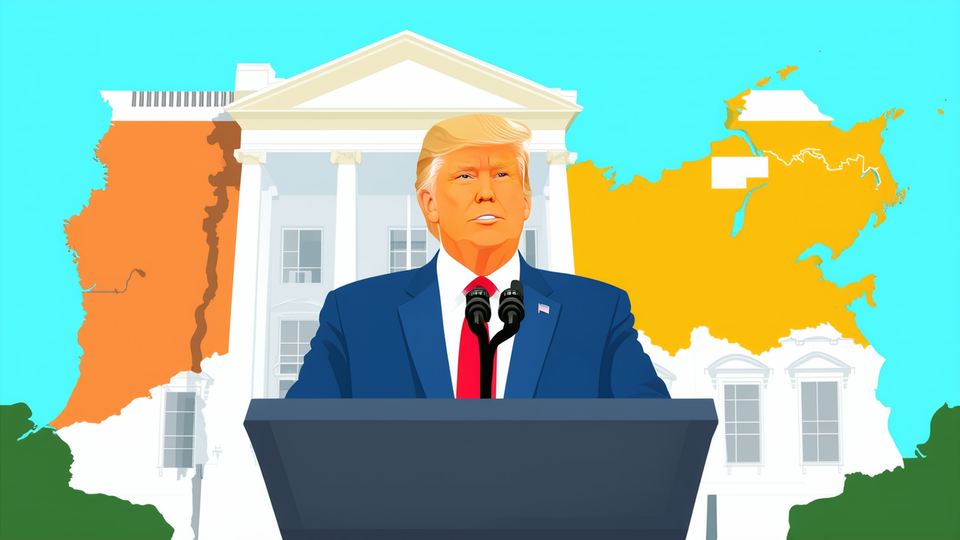
Putin’s Ukraine quagmire and U.S. Iran capability ease Russian calculations as China’s Taiwan threat wanes
On 2 October 2026 analysts warned that Russia’s ongoing struggle to sustain its war in Ukraine, combined with the United States’ demonstrated ability to target Iran’s nuclear facilities, may cause Moscow to pause its broader geopolitical agenda.
The warning comes as U.S. officials have also indicated that the likelihood of a Chinese military attack on Taiwan in the near term is diminishing, according to a recent Reuters assessment cited in an opinion piece.
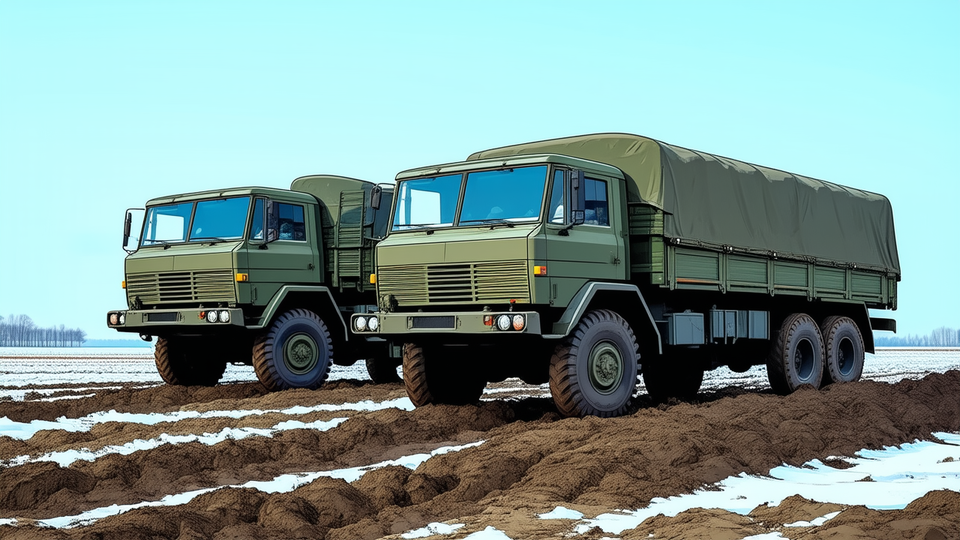
Russian forces have been unable to get food and supplies to the front lines in Ukraine, a shortfall that critics say reveals deeper logistical weaknesses. One commentator noted, “Look at Russia‑Ukraine. They can’t even get food to the front lines. How is China going to move a ship through a mix of anti‑ship missiles and 10 000 guided drones?”
In parallel, the United States has shown competence in Iran by developing massive bunker‑buster bombs designed to destroy Iranian nuclear facilities. The same analysis described the U.S. preparation as “normal planning” that became “preparation for an expected conflict,” highlighting the country’s capacity to execute high‑precision, high‑power strikes when needed.
U.S. officials believe Beijing is drawing lessons from both the Ukraine war and the Iran scenario, concluding that any attack on Taiwan would need to be swift and avoid a protracted conflict. They point to delays in Chinese military readiness tied to Xi Jinping’s anti‑corruption purge and the upcoming 2028 Taiwanese election as factors tempering Beijing’s immediate ambitions.
Reuters officials added that the Chinese Communist Party’s anti‑corruption campaign has slowed the development of key weapons systems, while the desire to observe Taiwan’s 2028 election outcome suggests Beijing prefers a diplomatic or political lever over open warfare for now.
Should the Democratic Progressive Party retain power in the 2028 election, some U.S. sources warned the Chinese calculus could shift, describing a potential invasion as “pretty sporty.” The assessment underscores that while the desire to reclaim Taiwan remains political, the practical challenges of crossing the Taiwan Strait—particularly against a swarm of defensive drones—make a near‑term operation appear prohibitively costly.
Strategic observers note that the three developments are interconnected: Russian difficulties may make Moscow less inclined to support Chinese adventurism, while U.S. capabilities demonstrated in Iran reinforce Washington’s deterrence posture across the Indo‑Pacific.
Future analysts will watch whether Beijing’s anti‑corruption drive eases or intensifies, and how the 2028 Taiwanese vote influences Beijing’s risk calculus, as the United States continues to project military readiness in multiple theaters.