Prince Harry’s Privacy Lawsuit Ends in Defeat – July 7, 2026
Prince Harry’s Privacy Lawsuit Ends in Defeat
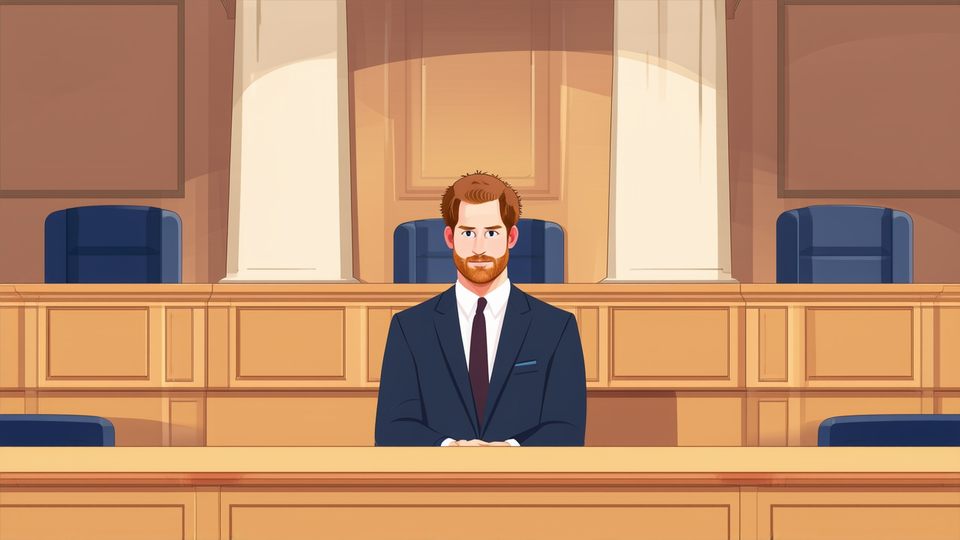
On 7 July 2026 the High Court in London delivered its final judgment in the privacy case brought by Prince Harry and six other public figures against Associated Newspapers Ltd., the publisher of the Daily Mail and Mail on Sunday. Judge Matthew Nicklin concluded that the claimants had not proved that any of the contested articles were derived from unlawful information‑gathering methods, and he dismissed all fourteen allegations.
The case, which had lasted more than eleven weeks of trial, alleged that the tabloid chain used private investigators, phone‑hacking, voicemail interception and “blagging” of private records to obtain material for articles published between 1993 and 2011. The claimants—including Sir Elton John, actress Elizabeth Hurley, activist Doreen Lawrence and former politician Simon Hughes—sought substantial damages for the invasion of their privacy.
During the trial the court heard emotional testimony from Prince Harry, who described how relentless media intrusion had left him “paranoid beyond belief” and had taken a severe toll on his mental health and family relationships. He also recounted that the press had contributed to the tragic death of his mother, Princess Diana, and to the attacks on his wife, Meghan, which prompted the couple to move to the United States in 2020.
Despite the powerful personal accounts, Judge Nicklin emphasized that speculation and inference cannot replace concrete proof. He wrote that the presence of “private” information alone does not automatically demonstrate unlawful sourcing, and that the claimants had not linked specific articles to the alleged illegal practices. The decision therefore marks a legal defeat for Harry’s long‑running campaign to hold the British tabloids accountable.
The financial stakes of the case were significant. The parties had estimated legal costs at around £40 million (approximately $53 million). Earlier privacy victories, such as the 2023 ruling against the Mirror Group for “widespread and habitual” phone hacking and the 2022 settlement with the Sun, had shown that the courts could recognize systemic abuse. This latest judgment, however, underscores the difficulty of proving illicit data collection in a fragmented media environment.
Prince Harry returned to London for a week of charity engagements, including the Invictus Games launch, while his wife and children remained in the United States due to security disputes. The judgment arrived amid speculation about a possible reconciliation with his father, King Charles III, but the Prince’s spokesperson described the ruling as “disappointing” and reaffirmed his commitment to press reform.
Observers note that the case highlights broader concerns about press power, privacy protection and the mental‑health impact of intrusive reporting. While the court dismissed the claims, the conversation about responsible journalism and the rights of public figures to private lives continues, echoing the Prince’s earlier calls for a safer, more ethical media landscape.