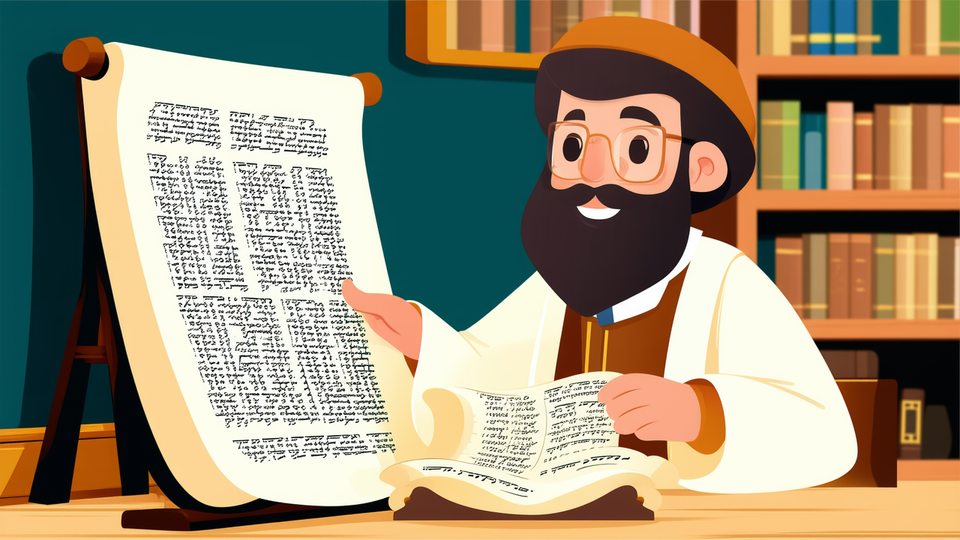
Pope Leo XIV Calls Prayer a Sacred Encounter, Not a Wellness Trend
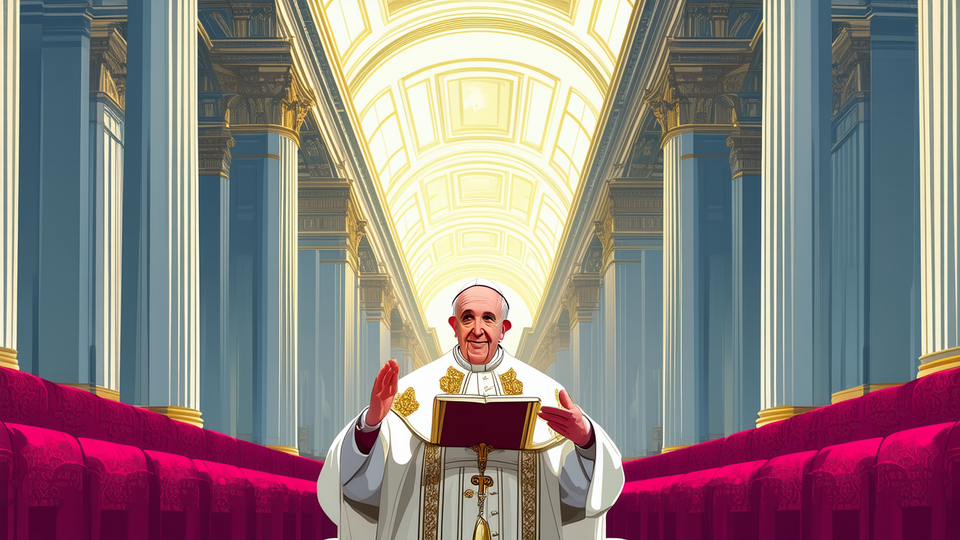
On June 8, 2026, Pope Leo XIV returned from his summer retreat at Castel Gandolfo to address a packed St. Peter’s Basilica—a venue chosen because the Paul VI Hall was under renovation and the August heat made outdoor gatherings impractical. The homily kicked off his catechetical series on Vatican II documents, with a particular focus on Sacroscantum Concilium, the first council decree promulgated in 1963. The Pope opened with a stark diagnosis: in an era dominated by efficiency and consumerism, “prayer may seem pointless and trivial,” and in a world where science claims to have all answers, praying can be dismissed as escapism.
He went on to point out a clear cultural shift: many families no longer pass on the tradition of prayer, and an increasing number of people mistake it for a psychological technique aimed at personal well‐being. While the Pope did not name specific apps, he alluded to the growing market of guided breathing exercises and visualization programs marketed as tools for inner work, stress reduction, or productivity boosts. These, he argued, lack the essential relational component of prayer.
The distinction is theological, not merely semantic. In Catholic teaching, prayer is an encounter with a personal God who listens, responds, and seeks a relationship with the faithful. When prayer is reduced to a self‑help method, it loses its purpose as an act of worship and communion. The Catechism describes meditation as a “quest” to adhere to what the Lord asks, a pursuit of divine truth, not simply a mental exercise for calm.
Leo XIV highlighted the Liturgy of the Hours as the Church’s ancient daily prayer, structured around the Psalms. He described its rhythm: the morning begins with gratitude, midday asks for strength, evening Vespers marks the sunset, and night offers peace. Each hour is an act of hope directed toward God, not a psychological shortcut. This liturgical tradition underscores the communal, rhythmic, and theological nature of prayer.
In concluding his address, the Pope quoted Paul VI: “God comes first; prayer is our primary duty.” He urged the faithful to use the summer months to deepen their interior life by spending more intentional time with the Lord in prayer, rather than turning to secular wellness practices that lack a divine interlocutor.
The Pope’s warning resonates beyond Catholic circles, inviting anyone who values spiritual depth to reconsider the purpose of meditation. Is it a tool for mental health, or is it a doorway to a relationship with something beyond ourselves? Leo XIV’s message calls for a renewed respect for prayer’s sacred character, reminding the world that true inner peace comes not from self‑optimization, but from genuine communion with the divine.