Pope Leo XIV Calls America to Re‑Commit to Life and Human Dignity on the Semiquincentennial
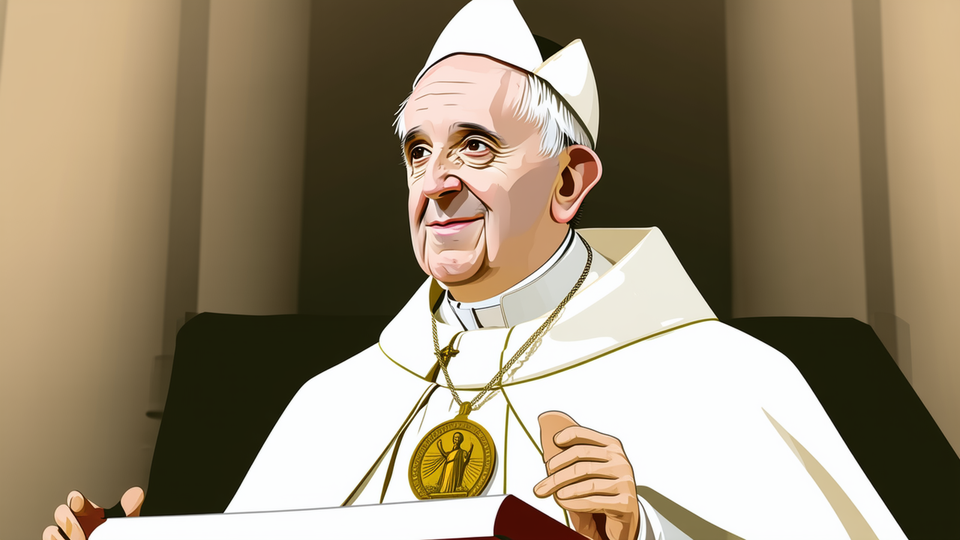
Semiquincentennial Reflection: A Moral Call from the Vatican
On the eve of the United States’ 250th anniversary, Pope Leo XIV participated remotely in a ceremony at the National Constitution Center, where he was presented with the annual Liberty Medal. The medal, awarded for "courage and conviction" in defending liberty, highlighted the pontiff’s lifelong work promoting religious freedom, the right to life, and the dignity of every human being.
Speaking from Rome, Pope Leo invoked the words of the Declaration of Independence, emphasizing that the founding fathers envisioned a nation where "all men are created equal" and "endowed with certain unalienable rights, among them life, liberty, and the pursuit of happiness." He reminded listeners that those principles were "not merely political slogans, but a moral covenant to protect the most vulnerable, from the unborn to the elderly, and from refugees seeking a new start."
"The moral greatness of a nation is manifested, above all, in its capacity to support, protect, and cherish the lives of all, especially the most vulnerable and those whose worth is questioned," the Pope declared.
Leo XIV highlighted America’s storied tradition of welcoming migrants, noting that the United States has long been "a byword for freedom," opening its doors to successive waves of newcomers who have helped shape its identity. He warned that this legacy must not be abandoned, urging the country to treat migrants with dignity and compassion, in line with the Gospel mandate to "welcome the stranger."
A Symbolic Journey to Lampedusa
In a poignant gesture, the Pope announced plans to spend July 4 on Lampedusa, the Italian island that has become a symbol of the migrant crisis. By choosing a location where countless people have fled war, poverty, and persecution, he underscored the global dimension of the American promise to protect life at all stages.
His remarks also touched on the Vatican’s stance against abortion and euthanasia, reiterating that every human life, from conception to natural death, is sacred. This theological affirmation aligns with the Pope’s broader vision of a society that upholds human dignity in policy, law, and everyday conduct.
Implications for American Policy
Policy makers and citizens alike are left with a clear challenge: to translate the Pope’s moral appeal into concrete action. Whether through immigration reform, health‑care legislation that respects the unborn, or community initiatives that aid the poor, the pontiff’s message calls for a renewed commitment to the founding ideals that have long defined the United States.
As the nation celebrates its past, Pope Leo XIV’s words serve as a reminder that the true measure of liberty is found in the protection of every human life and the respect for the inherent dignity of all peoples.
Looking Forward
With the Liberty Medal now adorning his neck, Pope Leo XIV’s invitation to “re‑commit” is both a tribute to America’s historic role as a beacon of freedom and a call to action for its future. The semiquincentennial, then, becomes not just a celebration of the past but an opportunity to reaffirm a moral compass that guides the nation toward greater compassion, justice, and reverence for life.