Palestinian Advocacy Reshapes U.S. Domestic Politics
Introduction
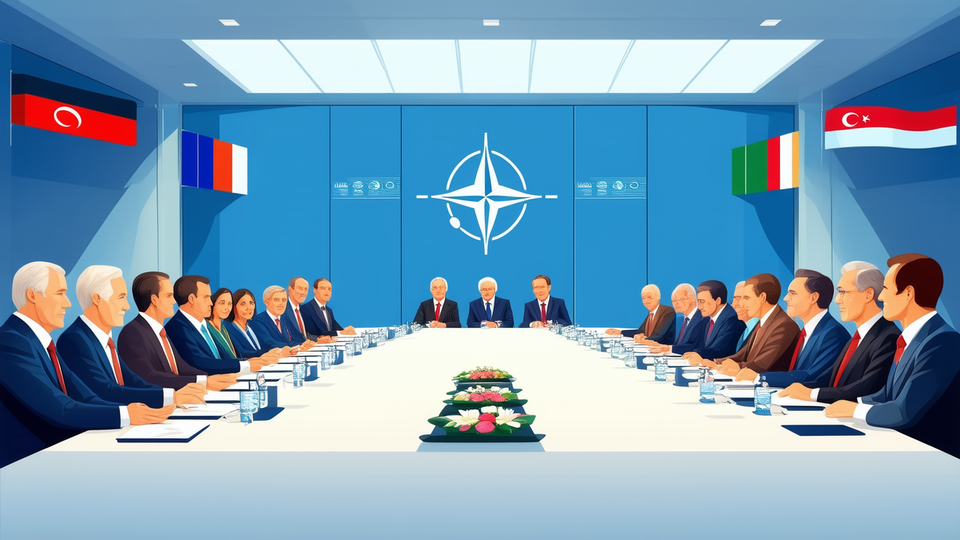
In recent months a growing Palestinian advocacy movement has begun to reshape the United States’ domestic political conversation. activists, lawmakers and voters are increasingly viewing the Israeli‑Palestinian conflict as a decisive factor in elections and policy debates, turning what was once a peripheral foreign‑policy issue into a central domestic litmus test.
Public Opinion Shifts
National surveys reveal a dramatic swing in American sentiment. A Gallup poll released in February showed a 41 percent plurality of respondents expressing greater sympathy for Palestinians than for Israelis, a margin of 5 points that marks the first time in the poll’s two‑decade history that Israel does not lead. Later, a Quinnipiac University survey recorded that 48 percent of voters believe the United States is “too supportive” of Israel, the highest level recorded since the survey began in 2017. These numbers illustrate a broader willingness among the electorate to question long‑standing unconditional aid to Israel.
Legislative Efforts and Electoral Impact
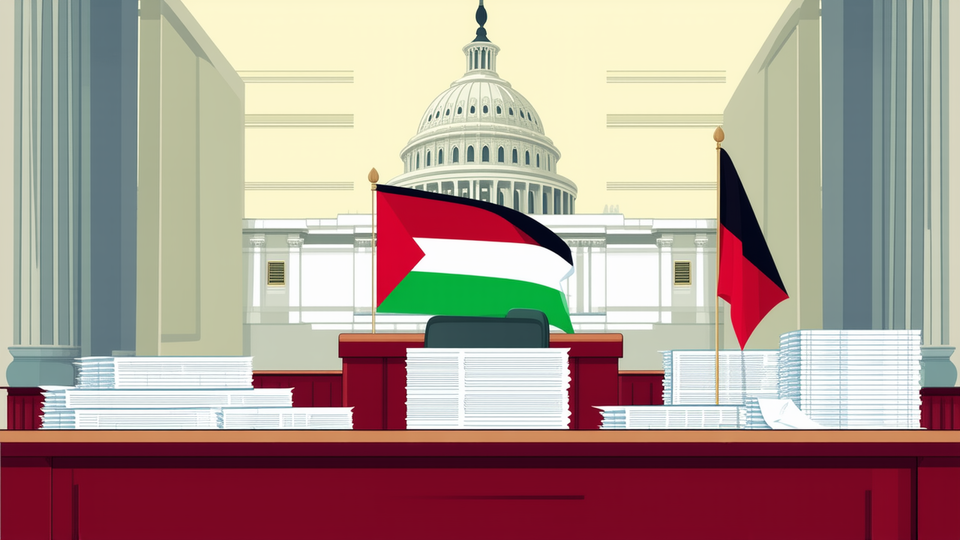
That shift manifested on Capitol Hill when Representative Thomas Massie introduced an amendment to force a record‑vote on cutting the annual $3.3 billion in military assistance to Israel. The proposal attracted bipartisan attention, gathering support from progressive Democrats such as Alexandria Ocasio‑Cortez and Greg Casar. However, the procedural “rule” required to bring the amendment to the floor was defeated by a coalition of Democrats and a group of dissenting Republicans, halting the debate before a vote could occur.
Party insiders have confirmed that the 2024 presidential campaign exposed the political cost of unconditional support for Israel. Internal assessments cited the Gaza war as a “net‑negative” factor for the Democratic ticket, suggesting that the party’s traditional stance alienated key voter blocs. As a result, the upcoming mid‑term and presidential elections are seeing candidates adopt more nuanced language, with some progressive leaders moving from cautious references to outright calls for accountability, mirroring the evolution of Ocasio‑Cortez’s rhetoric on the term “genocide.”
Conclusion
The convergence of polling data, legislative attempts, and campaign strategies demonstrates that Palestinian advocacy is no longer a peripheral issue. It has become a powerful catalyst for public debate, influencing how parties craft their platforms and how voters assess candidates. While entrenched support for Israel remains strong on both sides of the aisle, the growing willingness to scrutinize that support signals a pivotal moment in U.S. domestic politics—one where the conversation about Palestine may determine electoral outcomes and reshape foreign‑policy priorities.