

Opinion piece argues Democratic Party has become an echo chamber resistant to change
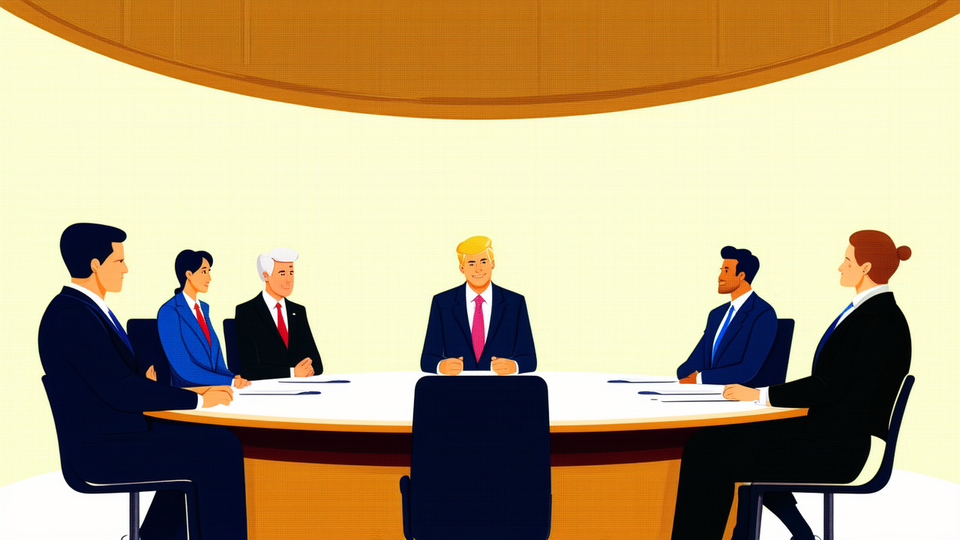
On September 16, 2026, the opinion column “The Democrats’ Identity Trap” was published, asserting that the Democratic Party has become an echo chamber that resists change and protects the status quo.
The argument matters because it raises concerns about the party’s internal identity, the health of its debate, and its ability to represent a broad electorate. Critics say the trend could weaken democratic discourse and alienate moderate voters.
According to a follow‑up piece titled “Why Can’t More Democrats Be Like This?” the party’s shift began roughly thirty years ago, moving from a center‑left position to one that embraces ideas once considered fringe. The article notes that positions once laughed at are now mainstream litmus tests for party members.
The column points to the wholesale adoption of transgender‑related policies in schools, sports and medicine as examples of ideas that have entered the party platform without room for dissent. It also cites senatorial figures such as John Fetterman as emblematic of this shift, suggesting they reflect a broader institutional acceptance of controversial cultural stances.
Former Rep. Harold Ford Jr. said, “This guy is so outside of the periphery of American politics,” referring to a commentator advocating for Iran’s nuclear armament, and added, “I wish we wouldn’t give him the airtime that we give him.”
Ford’s remarks, highlighted in the article, illustrate how even Democratic voices are vocalizing discomfort with the party’s tolerance of extreme positions, yet such dissent remains scarce. The piece argues that a lack of “spine” among Democrats allows the party to appear more radical than it is, potentially frightening centrist voters.
While the author does not dispute differences on tax, foreign policy or government size, they contend that the mainstreaming of ideas with little grounding in serious politics represents a distinct and dangerous development.
The column concludes by urging Democrats to reopen internal debate, restore substantive discussion, and resist the pull toward a monolithic ideological stance.