OCC report finds major US banks discriminated against conservative groups and religious charities
The Office of the Comptroller of the Currency released a 47‑page report on Oct. 14, 2026 finding that the nine largest U.S. banks discriminated against customers based on political and religious beliefs, targeting MAGA merchants, pro‑life groups and Christian charities.
The findings raise concerns that banks may have violated federal consumer‑financial laws and could prompt heightened regulatory oversight, a development that directly affects millions of Americans who rely on these institutions for basic financial services.
The OCC investigation examined roughly 100,000 consumer complaints and reviewed about 50,000 internal bank records covering the period from 2020 through 2025, the years of the Biden administration. The banks cited – JPMorgan Chase, Bank of America, Citibank, Wells Fargo, U.S. Bank, Capital One, PNC, TD Bank and BMO – were found to have used broad “reputation risk” policies that permitted staff to deny or limit service based on customers’ political or religious affiliations.
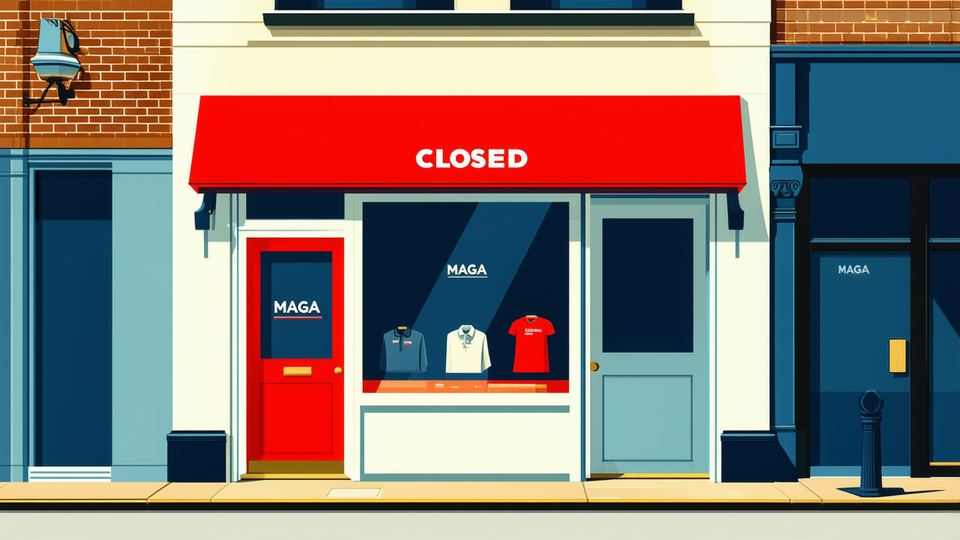
One of the most detailed examples involves JPMorgan’s payment arm, WePay, which closed the account of a merchant selling MAGA‑branded merchandise after internal screens flagged terms like “MAGA,” “Make America Great” and “America First.” The same system also shut the account of a religious nonprofit that the Southern Poverty Law Center had labeled an extremist group, with bank employees describing it as a “right wing religious conservative non‑profit with strong anti‑LGBTQ rhetoric.”
Other banks exhibited similar practices. PNC refused a line of credit to a media company because one of its owners funded Christian conservative groups that the SPLC had classified as hate groups. Wells Fargo pressured a processor to terminate a religious nonprofit over its stance on same‑sex marriage and declined loans to two firearms businesses, citing fears of supervisory pressure. Bank of America pulled support from private‑prison operators, while Capital One turned down both an abortion‑rights organization and a gun‑rights group, citing “optics” concerns.
The report also notes that the banks limited financing for sectors the regulator labeled “disfavored,” including firearms manufacturers, Arctic oil and gas projects, coal mining, detention facilities, tobacco and e‑cigarette companies.
Following the release, the Consumer Financial Protection Bureau’s acting director, Mark Paoletta, announced an investigation, calling the practices “thuggish tactics” that targeted Trump supporters. OCC Comptroller Jonathan V. Gould described the findings as “irrefutable evidence” that the nation’s largest banks weaponized finance against lawful businesses.
The review came after former President Donald Trump issued an August 7, 2025 executive order directing regulators to combat politicized debanking. Trump has since sued JPMorgan Chase, alleging the bank closed his accounts for political reasons.
While the nine banks have said they have revised their policies, the OCC cautioned that the changes may not be enough to prevent a return to the disallowed practices and indicated that further supervisory action could be considered.