Ossoff and Collins clash over neo‑Nazi propaganda claims and Epstein‑linked donor at Georgia debate
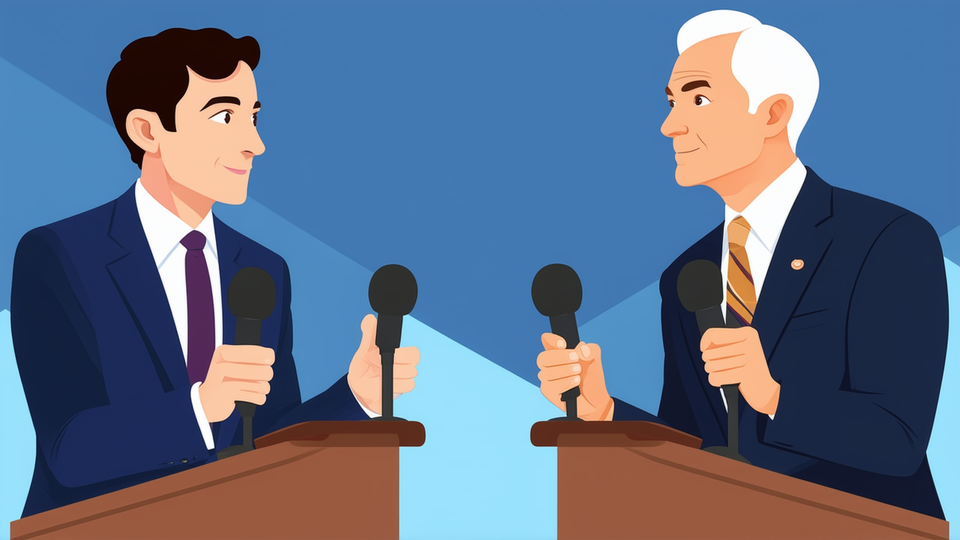
On Oct. 13, 2026, at the Atlanta Press Club, incumbent Democratic U.S. Senator Jon Ossoff and Republican challenger Rep. Mike Collins traded accusations during the second and final debate of the Georgia Senate race.
The heated confrontation centered on two explosive claims: Ossoff alleged that Collins allowed neo‑Nazi propaganda to be produced in his home by his son‑in‑law, and Collins countered by linking Ossoff to billionaire donor Reid Hoffman, whose past associations with convicted sex offender Jeffrey Epstein have drawn scrutiny.
Ossoff cited a CNN investigation that identified Collins’s son‑in‑law, David Alan Scheer II, as sharing Nazi imagery and antisemitic conspiracy theories online. He pressed Collins to commit, “Will you commit tonight that for the remainder of this campaign you won’t allow any more neo‑Nazi propaganda to be produced from your house?”
Collins responded that the accusations had spurred threats against his family, saying, “I’m a little tired of this, Jon. There’s a crazy person in jail right now because of your rhetoric,” before noting that he had received another threat the previous day.
"You have not denounced, you've not condemned Reid Hoffman, one of your largest donors out there, one that's been supporting you with over $1 million," Collins said, demanding that Ossoff reject the funding.
Collins highlighted Hoffman’s admitted meeting with Epstein after the financier’s 2008 conviction and the reported 2014 ice‑cream gift to Epstein with a note for “the girls.” He noted that Hoffman contributed $7,000 directly to Ossoff’s campaign and $1 million to a supporting super‑PAC, citing campaign finance records.
Ossoff rebutted by accusing Collins of voting to cover up the release of Epstein files while in Congress. He reminded viewers that the effort to make the files public ultimately succeeded after a bipartisan vote late last year. Collins insisted he had also voted to release the files, framing the debate as a broader question of campaign‑money ethics.
Beyond the Epstein and neo‑Nazi allegations, the candidates sparred over immigration policy, the Laken Riley Act, and voter‑ID legislation, underscoring the race’s policy depth even as personal attacks intensified.
With early voting already underway and the general election set for Nov. 3, the debate’s explosive moments are expected to shape voter perceptions in the final weeks of a tightly contested Senate battle.