NY Times Countersuit Over EEOC Allegations Highlights Press Freedom Dispute
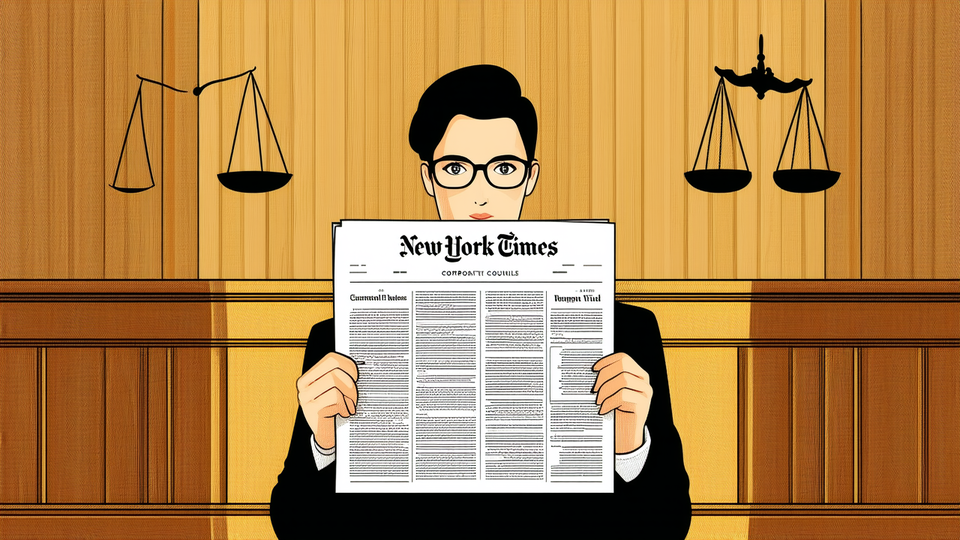
On July 10, 2026 the New York Times filed a counterclaim against the United States Equal Employment Opportunity Commission (EEOC), asserting that the agency’s reverse‑discrimination lawsuit was a direct retaliation for the newspaper’s investigative reporting on the Trump administration.
According to the Times’ filing in Manhattan federal court, the EEOC initiated its suit only eight days after the paper published a story exposing pressure on the agency to pursue “flimsy” discrimination claims that aligned with the Trump administration’s priorities. The EEOC’s case alleged that the Times passed over a qualified white male employee for a promotion in favor of a multiracial woman whose experience, according to the Times, was less relevant to the role.
The Times’ legal team responded by detailing the selection process for the deputy real‑estate editor. They noted that the chosen candidate possessed extensive service‑journalism experience and a clear vision for the newsroom that matched the paper’s strategic focus on visually‑driven, service‑oriented reporting. By contrast, the white male employee, Bryant Rousseau, was deemed less qualified for the position.
Beyond the employment dispute, the counterclaim emphasizes constitutional concerns. The Times alleges that the EEOC’s action violates the First Amendment right to free speech, the Fifth Amendment due process protections, and the Administrative Procedure Act (APA). The filing cites repeated attacks from former President Trump, including labeling the Times “treasonous,” as evidence of a politically motivated campaign against the outlet.
In the counterclaim, the Times requests that the court dismiss the EEOC’s reverse‑discrimination claim, issue a declaration that the lawsuit infringes upon the First and Fifth Amendments and the APA, and award the newspaper its costs and attorney’s fees. The newspaper also points to an eight‑month EEOC investigation that produced more than a thousand pages of documents and nine witness interviews but failed to uncover any proof that the Times considered race or sex in the hiring decision.
Legal analysts note that the case could set a precedent for how government agencies interact with critical members of the press. If the Times succeeds, it may reinforce legal protections that prevent agencies from using their authority to silence dissenting voices.
The EEOC has not commented on the counterclaim at the time of filing. The dispute continues to evolve as both sides prepare for further proceedings in federal court.