New York's Data Center Moratorium Aims to Protect Energy and Communities
Introduction
New York’s Senate and Assembly have moved to curb the rapid growth of large data centers with the passage of the Responsible Data Center Development Act. By instituting a one‑year moratorium on new permits for facilities that exceed 20 megawatts of peak demand, the state seeks to create space for thoughtful regulation that safeguards energy resources and local communities.
Key Provisions of the Act
The legislation, known as S10642 / A11560, bars the Department of Environmental Conservation from issuing any new environmental approvals—including permits, certificates, registrations, and licenses—to data centers meeting the 20‑megawatt threshold. Existing projects that have already begun construction are exempt, and renewals of current approvals are also allowed. The original proposal called for a three‑year halt, but legislators negotiated a shorter, one‑year period.
Regulatory and Community Implications
During the moratorium, the state must develop a comprehensive environmental impact report. This report will examine electricity consumption, generation sources, water usage, wastewater discharge, impacts on farmland, greenhouse‑gas emissions, noise, electronic waste, and effects on disadvantaged communities and indigenous nations within a ten‑mile radius. A draft will be posted for at least 120 days of public comment, with hearings in at least five regions of the state. Before any new large data center can be approved after the pause, operators must hold a public hearing in the host community with 30‑day notice and disclose detailed information about energy and water use as well as any tax incentives sought.
Potential Economic and Environmental Impact
The act also directs the Public Service Commission to create separate service classifications for large data centers across electric, gas, and water utilities. By isolating infrastructure costs and commodity price fluctuations, the bill aims to prevent rate‑payer cross‑subsidization, protecting everyday consumers from bearing the financial burden of massive data‑center loads. Additionally, new facilities will be required to fund local programs that support heat pumps, solar installations, battery storage, broadband, drinking‑water infrastructure, noise mitigation, and pollution controls.
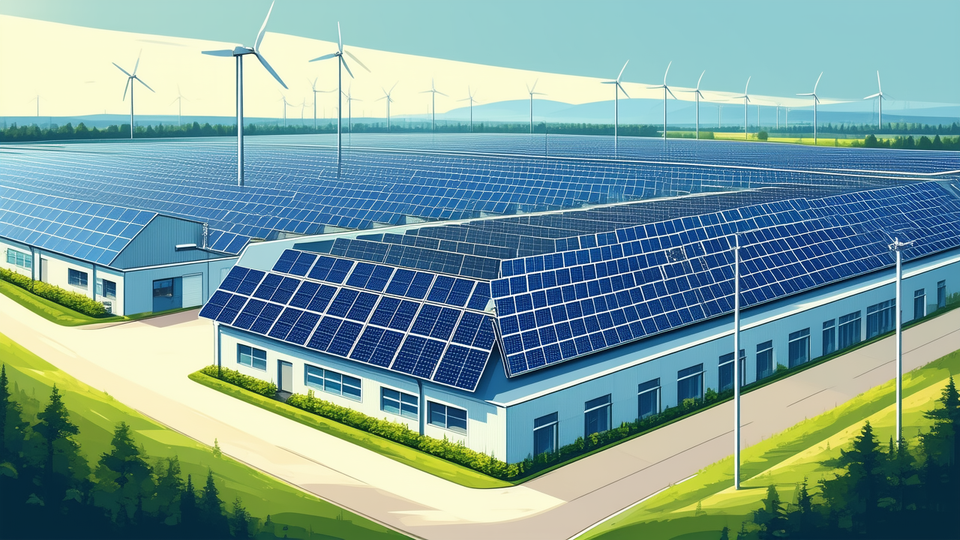
From an environmental perspective, the legislation sets renewable‑energy milestones: data centers of five megawatts or more must source at least one‑third of their electricity from renewables by 2030, two‑thirds by 2035, and ninety percent by 2040. These targets align with broader state goals to reduce reliance on fossil‑fuel generation and curb greenhouse‑gas emissions.
Conclusion
By pausing new large data‑center permits and mandating rigorous impact analysis, New York is taking a proactive step to balance technological growth with environmental stewardship and community resilience. The legislation’s emphasis on renewable energy, transparent public participation, and protection of rate‑payers reflects a forward‑looking approach that could serve as a model for other states facing similar challenges.