Mount Rushmore Faces Funding Strain Amid Trump’s DC Projects and Maintenance Backlog
Introduction
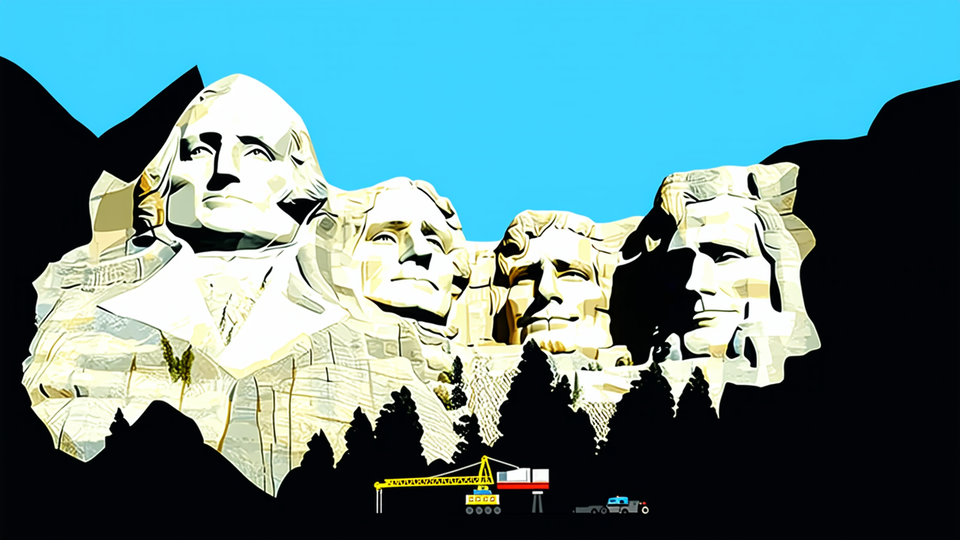
President Donald Trump returned to South Dakota on July 2, 2026, to speak at Mount Rushmore and attend an Independence Day fireworks celebration. The trip has drawn renewed attention to two interrelated issues: the president’s longstanding desire to add his own likeness to the monument and the National Park Service’s substantial maintenance backlog, which now threatens the preservation of the historic site.
Funding and Maintenance Challenges
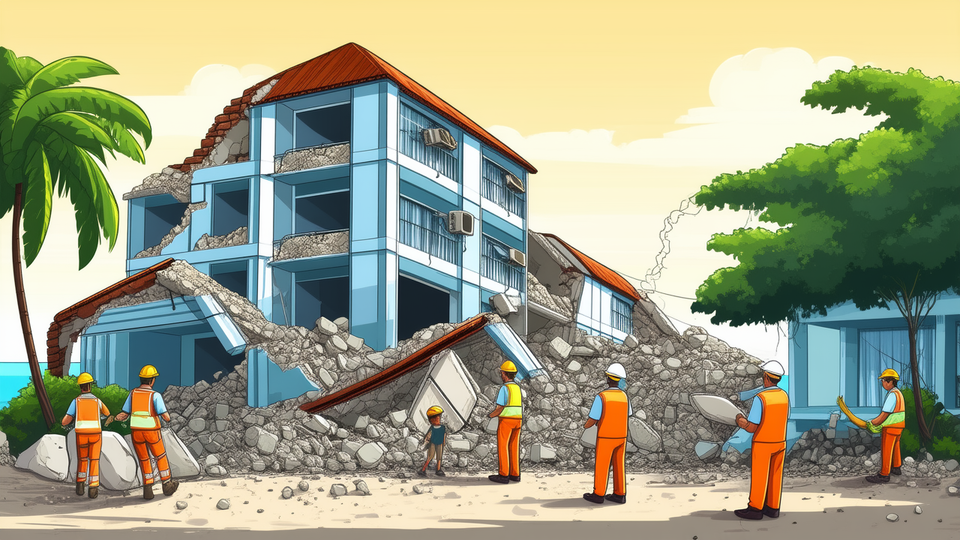
Mount Rushmore, carved into granite more than eight decades ago, faces $57 million in deferred maintenance needs according to the latest National Park Service data. Across the agency, the total backlog of deferred projects topped $24 billion at the end of fiscal 2025. These figures illustrate the scale of repair and preservation work required to keep the monument safe for future generations.
At the same time, Interior Secretary Doug Burgum confirmed that there is “certainly” room for a new carving, yet the legislation introduced by Rep. Anna Paulina Luna to fund a Trump figure remains stalled in the Senate. Even if the bill passed, critics point out that allocating funds for a new sculpture could divert scarce resources from essential maintenance tasks already identified by the Park Service.
Political Context and Public Debate
The push to add Trump’s face has been a recurring theme throughout his political career, from comments at campaign rallies to an alleged discussion with former South Dakota Governor Kristi Noem. Opponents, including Fox News host Brian Kilmeade, have mocked the idea, noting the physical impossibility of fitting a fifth head into the existing mountain face. The controversy reflects broader tensions between symbolic gestures and practical stewardship of public lands.
Critics also highlight that revenues from the National Park’s “America the Beautiful” pass program—intended to support park upkeep—may have been redirected to fund the president’s Washington, D.C., “vanity” projects, such as refurbishing the Lincoln Memorial Reflecting Pool and other high‑profile sites. This alleged reallocation has spurred letters from congressional members demanding transparency about where those funds are being spent.
Impact on the Monument and the Region
Beyond the financial debate, the potential addition of a Trump likeness raises cultural and historical concerns. Mount Rushmore was originally sculpted by Gutzon Borglum, whose work carried complex historical associations. The monument already serves as a symbol of American history, and altering its composition could spark further controversy regarding historical interpretation and representation.
For the local community in Keystone and the surrounding Black Hills region, the monument remains a critical tourism driver. Any disruption—whether from construction, funding cuts, or public backlash—could affect the regional economy that depends on the steady flow of visitors.
Conclusion
Mount Rushmore stands at a crossroads where political ambition, fiscal responsibility, and historic preservation intersect. While the prospect of adding a new presidential face captures public imagination, the pressing need to address a $57 million maintenance backlog cannot be ignored. Balancing symbolic projects with the essential work of preserving America’s landmarks will be crucial to ensuring that Mount Rushmore endures as a testament to the nation’s past—and its commitment to responsible stewardship.