Mitch McConnell Speculation: Republicans Vow He Is Alive Amid Rumors
Introduction
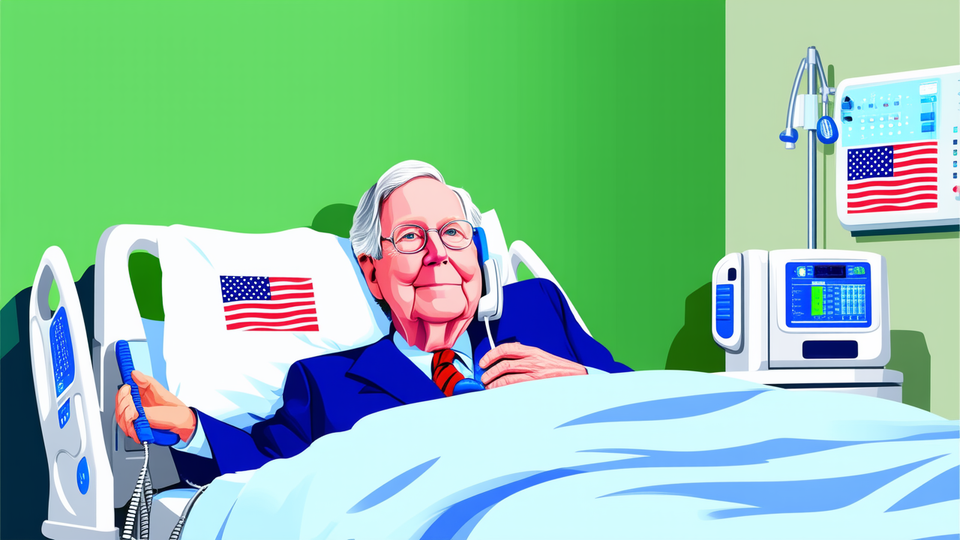
In early July 2026, a wave of speculation swept the nation over the health of Senate Republican leader Mitch McConnell. The 84‑year‑old former majority leader had been hospitalized since mid‑June, but his office provided only minimal details, prompting rumors that he might be critically ill or even deceased. The lack of transparent updates created an urgent information vacuum that thrust the Senate’s leadership into the spotlight.
Republican Leaders' Responses
Senior Republicans quickly moved to address the rumors. Senate Majority Leader John Thune announced that he had spoken with McConnell on the phone, describing a “lengthy and substantive conversation” covering national security and Senate business. Likewise, Whip John Barrasso reported a 20‑minute call with McConnell, emphasizing that the senator was “fully engaged and eager to return to the Senate.” Conservative commentator Scott Jennings, a longtime friend of McConnell, shared that he spoke with the senator for just under 20 minutes, discussing topics such as Iran, Ukraine, and recent political developments. Jennings highlighted that McConnell’s voice sounded strong and that he was actively following the news.
These statements were echoed by other party members, including a brief note from McConnell’s office affirming that he was “receiving excellent care” and “working closely with his staff on Kentucky and Senate matters while the Senate is out of session.” The coalition of leaders framed their messages to reassure the public that the senator remained alive, communicative, and capable of influencing legislative priorities.
Media Coverage and Public Concerns
Media outlets intensified the focus on the health saga. CNN’s Kasie Hunt pressed Jennings on the air, asking whether McConnell would be willing to call in and speak directly to the nation. Jennings responded with humor but reiterated that McConnell was “still recovering” and “keeping up with the news.” Meanwhile, far‑right influencers on social media claimed to have sources describing McConnell as “brain dead” or “on life support,” fueling a backlash that demanded visual proof of life. Traditional reporting, including articles from TheWrap and TheWrap, highlighted the tension between the need for privacy in medical matters and the public’s right to know about a figure who shapes national policy.
Even former President Donald Trump’s supporters weighed in, with commentator Glenn Beck demanding proof of life, while others, such as former GOP congresswoman Marjorie Taylor Greene, dismissed the office’s statements as “RINO” attempts to hide the truth. The clash underscored broader concerns about transparency, misinformation, and the political stakes attached to McConnell’s health.
Conclusion
By mid‑July, the consensus among senior Republican leaders was clear: Mitch McConnell was alive, communicating, and still influencing Senate strategy despite his hospitalization. Their coordinated public statements aimed to quell speculation and restore confidence among constituents and fellow lawmakers. Yet the episode highlighted the delicate balance between personal medical privacy and the public’s demand for accountability from high‑profile elected officials.