Metropolitan Police Investigation of Reporter Jack Grove Raises Press Freedom Alarm
Introduction
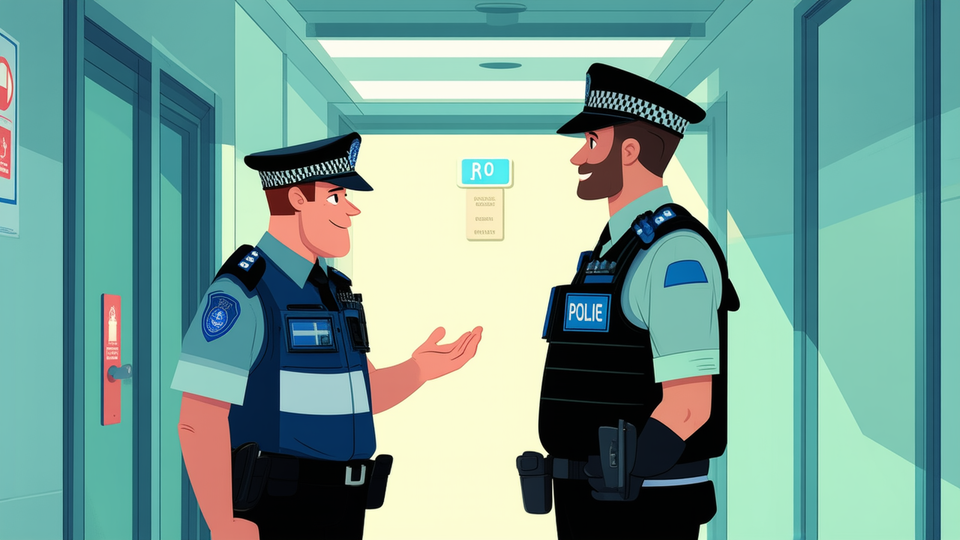
In early July 2026 the Metropolitan Police in London began a months‑long investigation of reporter Jack Grove, a journalist working for a major news outlet. Grove had emailed a series of questions to Cambridge University professor Jason Arday, seeking clarification for a story on the university’s youngest black professor. Rather than treating the outreach as routine newsgathering, the police classified the inquiries as racially motivated harassment and ordered Grove to stop contacting the academic.
Police Action and Its Immediate Effects
The police warned Grove that his questions had allegedly impacted Professor Arday’s mental health. They did not inform him of the investigation until a later call announced the case was closed. During the investigation, the Metropolitan Police also hired high‑priced attorneys to threaten other academics who raised concerns about Arday’s alleged plagiarism. This coordinated response effectively silenced criticism and limited public scrutiny of the controversy surrounding the professor’s credentials.
Broader Implications for Press Freedom
The Grove case illustrates how law‑enforcement powers can be misused to intimidate journalists. When police label ordinary reporting activity as a criminal offense, it creates a chilling effect that deters reporters from asking necessary questions. The episode echoes concerns raised by media watchdogs about the erosion of press freedom in the United Kingdom, and it raises alarms about similar tactics employed in other democratic societies. The episode also reminds observers of past governmental overreach, such as the United States’ pandemic‑era suppression of dissenting voices.
Potential Consequences and the Need for Reform
If unchecked, such police interventions risk undermining the core democratic principle that a free press can investigate public institutions without fear of retaliation. Legal experts argue that clearer safeguards are required to prevent law‑enforcement agencies from targeting journalists for performing their duties. Transparent oversight mechanisms, stronger whistle‑blower protections, and explicit guidance on what constitutes legitimate journalistic inquiry could help restore confidence in the media‑police relationship.
Conclusion
The investigation of Jack Grove serves as a stark reminder that press freedom remains vulnerable to misuse of authority. While the case has been closed, the underlying issue persists: journalists must be able to pursue stories without intimidation. Ensuring robust legal protections and fostering accountability within law‑enforcement agencies are essential steps toward safeguarding the essential role of a free press in a healthy democracy.