Media Silence on Trump's Repeated Assassination Threats Sparks Outcry

Introduction
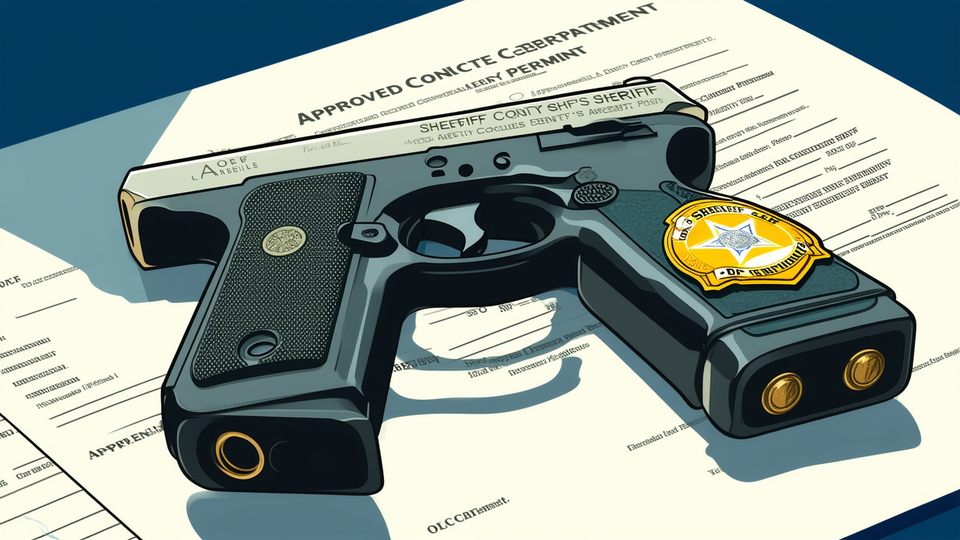
In early August 2026 an individual was arrested after allegedly scouting the security perimeter ahead of a Trump appearance. The suspect was found with loaded ammunition, a pistol, binoculars, and a badge that claimed a protective role. While law‑enforcement details were released, many national headlines treated the incident as a minor footnote.
Media Response
Commentary platforms seized on the story, using satire to highlight what they saw as a pattern of dismissiveness. One series of posts lampooned the former president’s reaction to the sketchy plot, urging him to “thanks for making me re‑famous.” This tone contrasted sharply with the serious language used in earlier reports of other attempts on Trump’s life.
Traditional newspapers offered limited attention. The front pages of major dailies briefly mentioned the arrest, often burying it beneath longer pieces about other topics. An outlet’s lead article framed the event as a “security detail imposter” without delving into the broader context of repeated threats. In contrast, when prior attempts—such as the shooting at a rally in Butler, Pennsylvania, a gunman on a golf course, and other violent incidents—occurred, they prompted front‑page coverage and extensive analysis.
Pattern of Threats
Trump has faced a series of violent episodes over the past two years, including a head‑shot at a rally, an armed intrusion at Mar‑a‑Lago, and multiple armed assaults at public events. Each incident generated a distinct media cycle, yet the recent alleged plot received only a brief paragraph in many outlets. Critics argue that this inconsistency reflects a broader tendency to downplay danger when the target aligns with certain political narratives.
Some reports emphasized the suspect’s claim of working for the State Department, the presence of an earpiece, and the discovery of extra ammunition. These details suggest a level of planning that could merit deeper public scrutiny, especially given the history of overt attacks.
Conclusion
The divergent coverage of threats against a former president raises questions about journalistic responsibility. When serious security concerns are framed as jokes or sidelined, the public may miss critical warning signs. Transparent reporting on all attempts, regardless of political affiliation, is essential to maintain trust and ensure that future threats are addressed with the urgency they deserve.