MAGA Christianity: How Christian Nationalism Shapes US Federal Policy
Introduction
In the summer of 2026, the intersection of evangelical politics and the federal government captured nationwide attention. A column by Gregory Hand warned that "MAGA Christianity" – a term used for the fusion of the Trump‑era political brand with Christian nationalist ideology – now drives major policy decisions. The column cited C.S. Lewis and the First Amendment as reminders of the need for church‑state separation, while also highlighting a surge of activism that seeks to reshape the nation’s political identity.
The Rise of Christian Nationalism in Politics
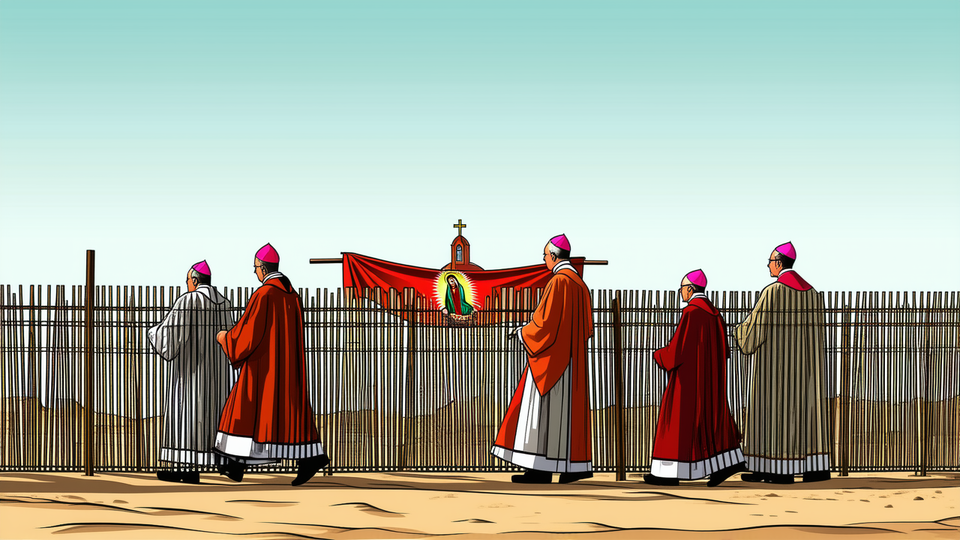
The movement’s growth is reflected in a recent administration‑sponsored report that calls for increased public funding to religious organizations. It promotes a vision of the United States as a “Christian nation,” echoing ideas from the New Apostolic Reformation, which stresses authoritarian leadership, white‑supremacist undertones, and the “Seven Mountain Mandate” aimed at reshaping cultural institutions. Advocates argue that this perspective aligns with America’s founding principles, despite constitutional scholars noting the contrast with the Constitution’s secular framework.
Policy Influence and Legislative Action
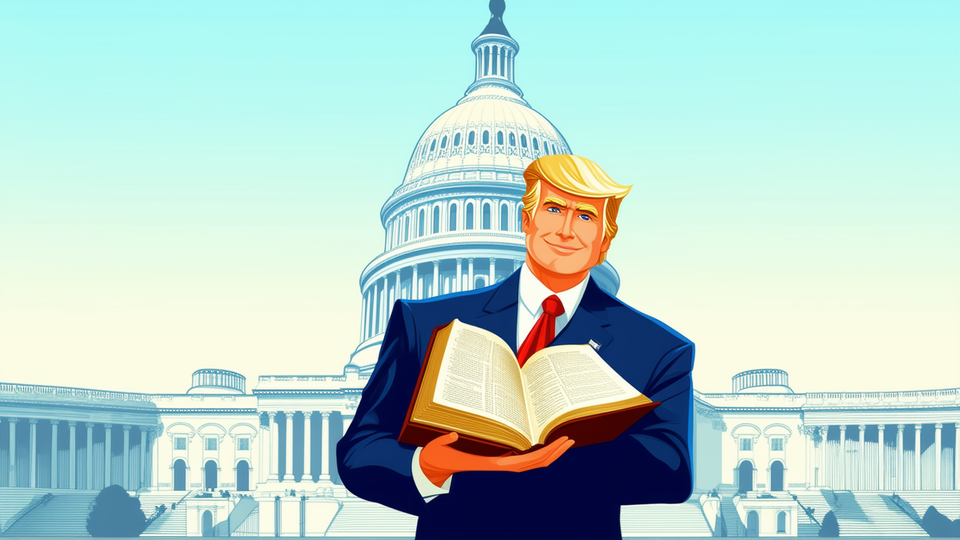
Supporters have translated their goals into concrete policy pushes. Legislation promoting religious‑based education, attempts to restrict abortions, and proposals to limit LGBTQ rights have been championed by members of Congress who identify with or sympathize with Christian nationalist values. The administration has echoed this stance, with former President Donald Trump, in a recent evangelical conference, labeling Democratic opponents as “hardcore, godless communists" and asserting that America’s future depends on preserving traditional Christian values.
These statements have reinforced a broader strategy that includes appointing judges favorable to religious exemptions and advocating for policies that prioritize a biblical moral framework. Critics argue that such moves erode the constitutional guarantee of religious freedom for non‑Christian citizens and marginalize minority faiths.
Public Opinion and the National Dialogue
Polling data from the Religious Liberty Commission shows a marked increase in Republican support for Christian nationalism. While only about 25 % of the overall public view the term favorably, nearly half of Republican respondents now express positive sentiment. Conversely, Democratic and independent voters remain largely opposed, with support for a secular public sphere remaining high. Despite this division, a majority of Americans—approximately 64 %—prefer a nation with religious diversity over one dominated by a single faith.
The growing influence of Christian nationalism has also sparked debate about the role of evangelicals in shaping foreign policy, education, and public health. Voices from within the evangelical community, including Hand’s call for believers to study church history and follow the teachings of Jesus, caution against “false theologies” that could jeopardize genuine Christian witness.
Conclusion
The surge of MAGA Christianity illustrates how a religious worldview can become a potent political force. While its supporters see it as a restoration of America’s moral foundation, opponents warn that the movement threatens the pluralistic values enshrined in the Constitution. As the nation moves forward, the balance between faith and governance will remain a contested terrain, shaping the future of American public life.