Limoges city hall destroyed in nationwide riots as France reaches point of no return
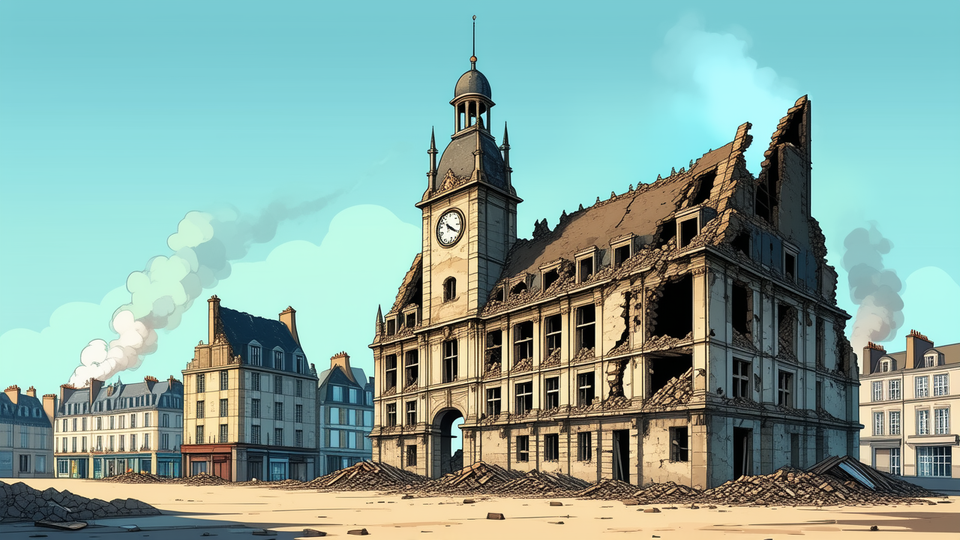
On October 17, 2026, rioters torched Limoges’ historic city hall, a neo‑Renaissance structure erected in 1883 and listed as a protected monument since 1975, resulting in the collapse of its roof and clock tower.
The attack unfolded during a nationwide wave of unrest that has seen government buildings from Lille to Marseille targeted by demonstrators demanding better school funding and opposing recent budget cuts. More than half a million people have taken to the streets in over 100 marches, according to Interior Minister Laurent Nuñez.
Prime Minister Sébastien Lecornu described the events as a “point of no return” and placed responsibility on “ultra‑left” groups, a sentiment echoed by the local prefect Maurice Barate, who called the destruction a “deliberate act by hooligans” and a “catastrophe for heritage.”
Limoges mayor Guillaume Guérin, holding a charred French flag recovered from the building, condemned the arson as “unacceptable” and “shameful,” emphasizing that the city hall was a shared symbol of the Republic that deserved protection.
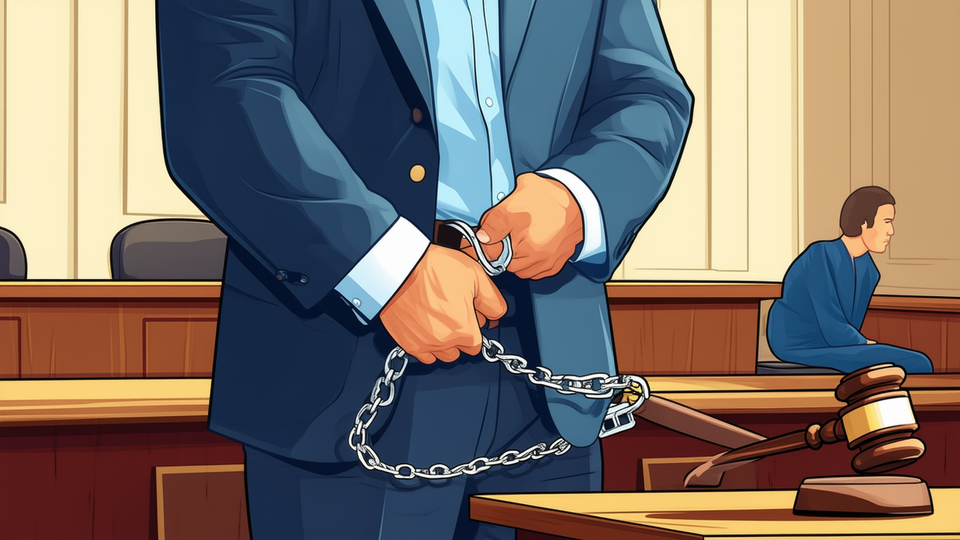
Prosecutor Emilie Abrantes confirmed that police have made roughly 400 arrests in connection with the Limoges fire and related riots, which also saw six police vehicles torched and numerous businesses looted. Earlier reports had cited at least 15 arrests, but the latest figures from the interior ministry reflect a broader wave of detentions nationwide.
Authorities say rioters entered the building through a cellar door beneath the council chamber, threatened occupants, and set the interior ablaze, causing the roof to collapse onto lower floors. Images shared on social media captured the tower’s dramatic fall and the partial destruction of the west wing.
The violence comes as France approaches a presidential election scheduled for six months from now, with outgoing President Emmanuel Macron calling for an end to the bloodshed and pledging to prosecute those who attack public institutions.
Analysts note that the unrest stems from a mixture of economic strain, overcrowded classrooms, and frustration over perceived government neglect of poorer districts. While some participants are linked to far‑left parties such as France Unbowed, others are unaffiliated youths reacting to rising living costs.
Law enforcement continues to monitor the situation, with Interior Minister Nuñez warning that “extremely violent, radical far‑left groups” remain a threat to public order. The next steps involve securing the damaged site, pursuing the arrested individuals, and addressing the underlying grievances that have fueled weeks of nationwide disruption.