Licensing U‑turn: UK pubs stay open for England’s Mexico World Cup match
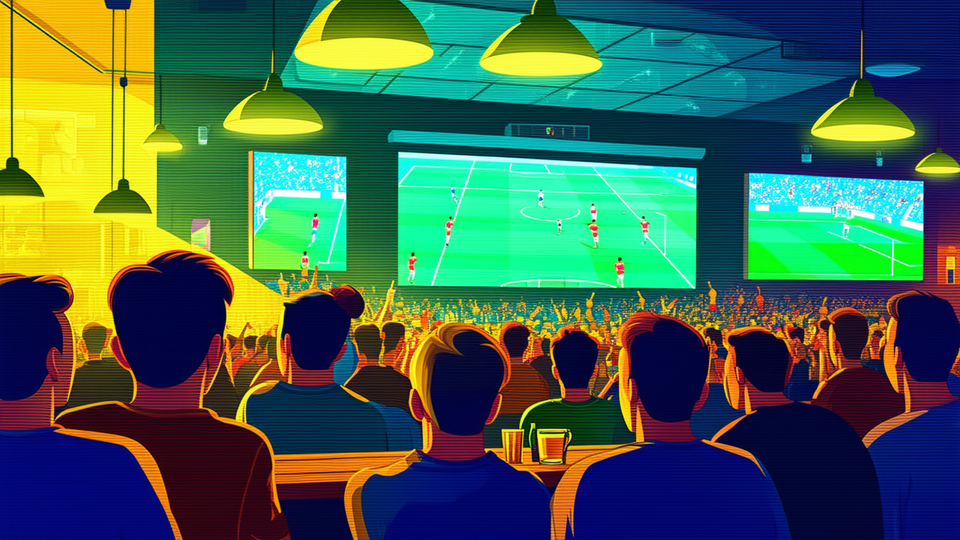
Licensing Change for England’s World Cup Match
The United Kingdom’s licensing laws normally require venues to stop serving alcohol at 11 p.m. In the run‑up to the 2026 FIFA World Cup, temporary relaxations allowed pubs to remain open until 2 a.m. for England and Scotland matches that started earlier in the evening. However, the knockout stage brought a new challenge when England’s round‑of‑16 game against Mexico was scheduled to begin at 1 a.m. local time.
Outgoing Prime Minister Keir Starmer announced a decisive policy shift on the night before the match, extending the permitted drinking hours to 5 a.m. This change means pubs can stay open well past the typical closing time, even if the game runs into the early morning. Starmer framed the decision as a way to keep “the pubs staying open till the final whistle,” calling it good news for supporters and for the community venues that host them.
The hospitality sector welcomed the announcement enthusiastically. The British Beer and Pub Association described the move as “over the moon,” while the Night Time Industries Association highlighted the “significant boost to hospitality businesses.” Pub owners such as Adam Cook of The Wharf Tavern expect sales to triple or quadruple, describing the extension as “absolutely massive” for their businesses, especially given high business rates and VAT pressures.
Police officials, however, voiced strong reservations. The National Police Chiefs’ Council warned that the extended hours could lead to a rise in violent incidents, referencing past tournaments where knockout games coincided with increased domestic abuse and night‑time disorder. Officers may be required to work longer shifts, pulling resources away from other community duties. The Council urged fans to drink responsibly and consider the safety of their families and neighbours.
Employers are also bracing for the knock‑on effects of the licensing shift. Some businesses anticipate a surge in employee sick‑leave requests after a night of heavy drinking, while others worry about staff having to manage “drunk, frustrated or aggressive customers” late into the night. The hospitality union highlighted the potential strain on workers, calling for careful planning to protect staff wellbeing.
Beyond the immediate impact on pubs, the decision illustrates the broader debate over how public events intersect with community safety and economic interests. While the government’s move supports national enthusiasm and provides a financial lifeline to struggling venues, it also raises questions about how best to balance celebration with the responsibility to protect citizens from harm.
As England fans prepare to cheer on their team, the extended licensing hours will test both the resilience of local pubs and the capacity of police and public services to maintain order. The outcome of this experiment may shape future policies for large‑scale events across the UK.