Liberty Secures Cup Spot Amid All-Star Voting Debate Over Positionless Format
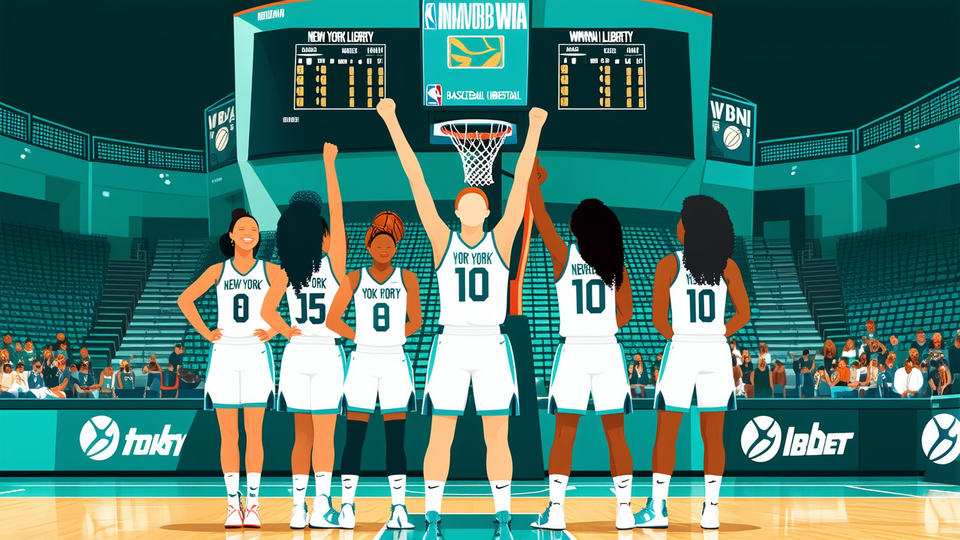
In a decisive series of games in mid‑June, the New York Liberty punched their ticket to the 2026 Commissioner's Cup championship showdown. After a 104‑90 victory over the Atlanta Dream and a subsequent 86‑64 win against the Washington Mystics, the Liberty solidified their place as the Eastern Conference representative. The win not only guarantees a spot in the Cup final scheduled for June 30, but also fuels speculation about who will emerge from the West to meet them.
The Western Conference remains a battlefield. The Las Vegas Aces, despite a jaw‑dropping 100‑97 triumph over the Minnesota Lynx earlier in the week, suffered a shocking 96‑66 defeat to the Phoenix Mercury, leaving their fate uncertain. Added to the mix, the Lynx and Aces still have a chance to clinch the final slot, depending on the outcomes of Wednesday’s triple‑header: the Liberty vs. Chicago Sky, the Aces vs. Mercury, and the Lynx vs. Los Angeles Sparks. Each game carries weight, and any team's performance could reshape the Cup final matchup.
All‑Star Voting: Should Positions Matter?
While fans celebrate Liberty’s achievement, another storyline dominates conversation: the WNBA’s All‑Star voting format. Critics argue that the current system—four guard spots and six front‑court spots—fails to reflect modern, positionless basketball. Media commentator Sabreena Merchant highlighted the difficulty of fitting three‑guard lineups into a four‑guard limit, especially as players like Rhyne Howard and Jackie Young regularly interchange roles.
Players echo this sentiment. Peyton Ionescu, sidelined for much of the season, suggested a “five‑and‑five” or fully positionless ballot to better reward versatile talent. Meanwhile, Mystics coach Sydney Johnson warned that eliminating traditional positions might diminish representation for true centers, citing Lauren Betts and Jonquel Jones as essential front‑court anchors.
Early voting returns show a balanced split: 11 guards and 11 front‑court players. The guard list includes seven true guards—plus four wing players such as Soph Cunningham and Rhyne Howard—while the front‑court features nine forwards and only one pure center, Aliyah Boston. The debate hinges on whether the league should adapt to the fluid, switch‑heavy style that defines today’s game, or preserve the positional categories that have historically shaped rosters.
Implications for the Cup and Beyond
The Commissioner's Cup stakes have risen alongside the All‑Star conversation. A strong Cup run can boost a team's visibility ahead of the All‑Star selections, while a contentious voting system may influence fan engagement and media coverage. Liberty’s star power—led by Natasha Cloud and the rising talent of the team—could tip the scales if the Cup championship generates momentum heading into All‑Star weekend.
As the league approaches the Cup final on June 30, all eyes remain on the Western Conference scramble. Whether the Aces, Lynx, or another contender secures the slot, the showdown promises a clash of styles that mirrors the broader debate: tradition versus evolution. The outcome may not only decide a title game but also shape the narrative for the WNBA’s future voting reforms.
Fans can follow live updates on NBC and Peacock, and keep track of the unfolding All‑Star ballot discussions across social media, podcasts, and sports panels. The next few weeks will reveal not only which team will challenge the Liberty for the Cup crown, but also if the league will embrace a positionless All‑Star format—a change that could redefine player recognition for years to come.