June 2026: Elie Honig Accuses Todd Blanche of Mishandling Epstein Files
Elie Honig’s Public Reproach of Todd Blanche
On June 17, 2026, CNN legal analyst Elie Honig delivered a forceful indictment of Acting Attorney General Todd Blanche’s stewardship of the Jeffrey Epstein investigation. Honig highlighted Blanche’s repeated claims that politics played no role in his decisions, noting a stark contrast with fresh reporting from the New York Times that suggested otherwise. According to the report, senior Justice Department officials, including Blanche, worked closely with White House aides as public pressure mounted over the handling of Epstein‑related records.
Honig emphasized that Blanche’s strategy appeared aimed at minimizing political damage to the President rather than pursuing a thorough, evidence‑based prosecution. He pointed to a plan to seek the release of grand jury materials involving Epstein’s associate Ghislaine Maxwell, describing it as a “low‑risk PR play” unlikely to yield new information. Honig condemned the approach, stating, “Turns out, that was bullsh*t,” and warned that the mishandling could jeopardize Blanche’s confirmation as Attorney General.
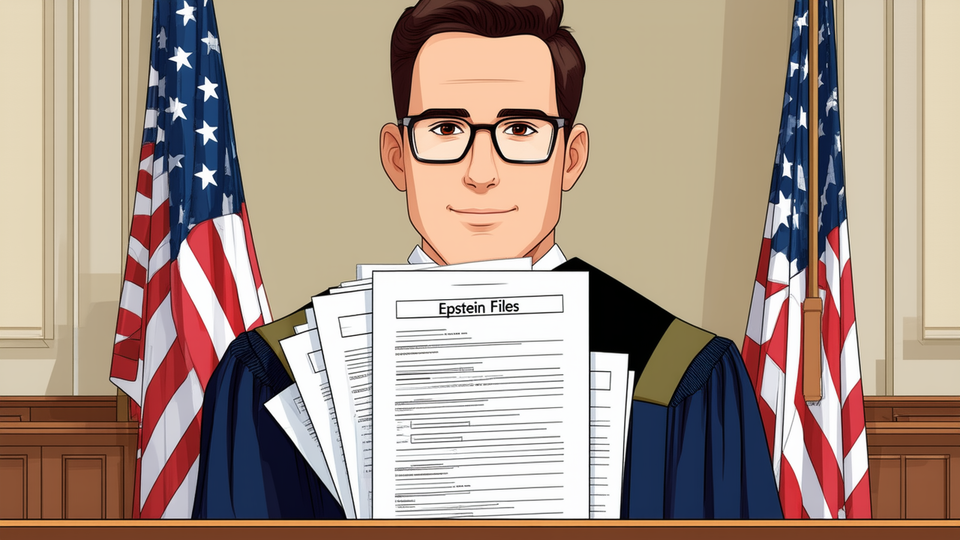
Further criticism came on June 26, 2026, when U.S. District Judge Emmet Sullivan found that Blanche’s department had not substantively responded to arguments that it violated the Epstein Files Transparency Act. The judge concluded that the Attorney General had effectively conceded to the violation and issued a preliminary injunction compelling the release of additional redacted files within a week. The ruling underscored the Department of Justice’s failure to comply with a congressional mandate designed to ensure transparency.
The combined revelations have intensified scrutiny of the Justice Department’s actions. Victims and advocacy groups have expressed alarm that political considerations may have overridden a diligent legal process. Honig’s commentary framed the episode as a cautionary tale about the dangers of politicizing high‑profile investigations and reaffirmed the need for independent, transparent legal oversight.
In sum, the public dispute between Honig and Blanche highlights significant concerns about the integrity of the Epstein investigation. The judge’s ruling reinforces legal obligations to disclose information, while Honig’s criticism serves as a reminder that accountability and non‑political decision‑making are essential to public trust in the justice system.