JD Vance Warns Israel of Faltering U.S. Support Amid Iran Deal
Introduction
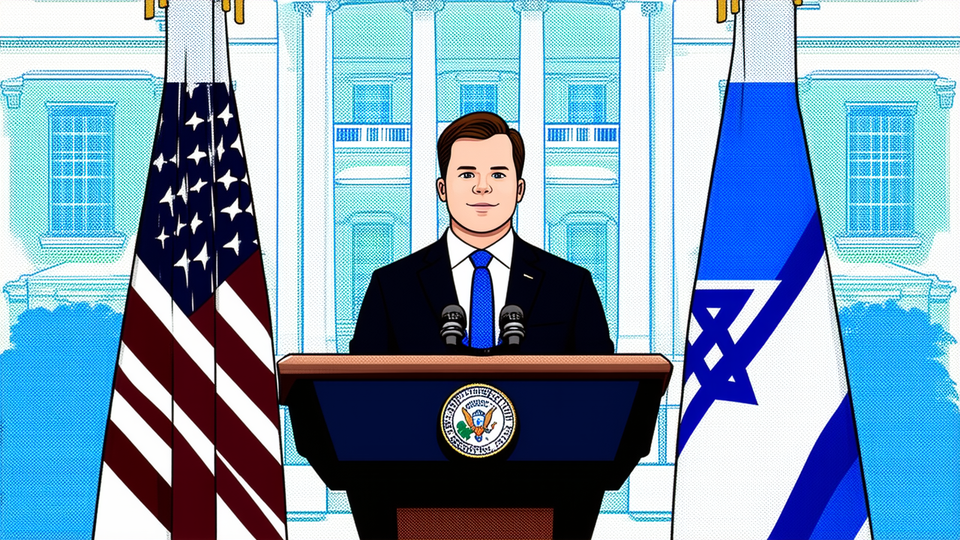
On June 18, 2026 Vice President JD Vance delivered a stark warning to Israel during a White House press briefing, suggesting that the nation may be left without a powerful ally if it continues to act independently of U.S. interests.
Background
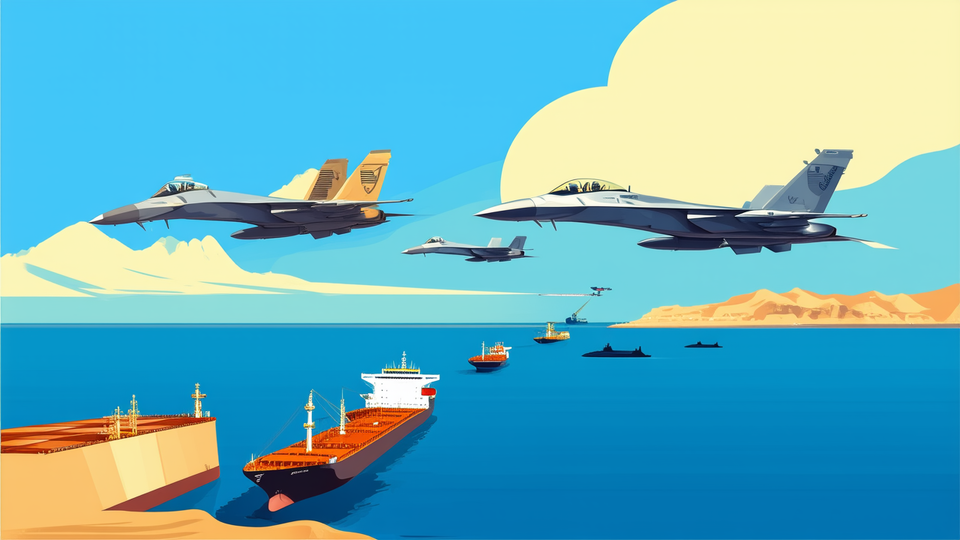
The warning came amid reports that Israeli Prime Minister Benjamin Netanyahu was unhappy with a newly announced U.S.‑Iran peace deal. The agreement, described in media reports as providing Iran with $300 billion and reopening the Strait of Hormuz, does not meet Israel’s war objectives, according to Israeli national security adviser Yaakov Amidror. Vance referenced the broader context, noting that Israel’s security cooperation relies heavily on U.S. funding and technology.
Vance’s Remarks
During the briefing, Vance said, “If I was in the Cabinet of the Israeli government, I might not be attacking the only powerful ally that I have anywhere left in the entire world.” He emphasized that two‑thirds of Israel’s defensive weapons are “built by American hands and paid for by American tax dollars.” He also criticized Israel for delaying U.S.–Iran negotiations and warned that attacks in Lebanon that harm civilians “are not acceptable.”
Reactions and Implications
President Donald Trump defended the Iran agreement, calling himself “the only head of state in the entire world who is sympathetic to the nation of Israel at this moment.” However, he also expressed frustration with Israel’s recent attacks on Lebanon, describing the Israeli prime minister as “f---ing crazy.” Israeli media echoed Vance’s concerns, with one TV host labeling him “scum” and criticizing the U.S. stance. Israeli officials warned that the diplomatic strain could affect future cooperation, especially as elections approach in both countries.
Conclusion
Vance’s public admonition underscores a shifting dynamic in the U.S.–Israel relationship, highlighting how strategic disagreements over Iran can create friction even among long‑standing allies. As both nations grapple with regional security and domestic political pressures, the balance of partnership may be tested in the months ahead.