How the Supreme Court Upholds the 14th Amendment’s Promise of Equality
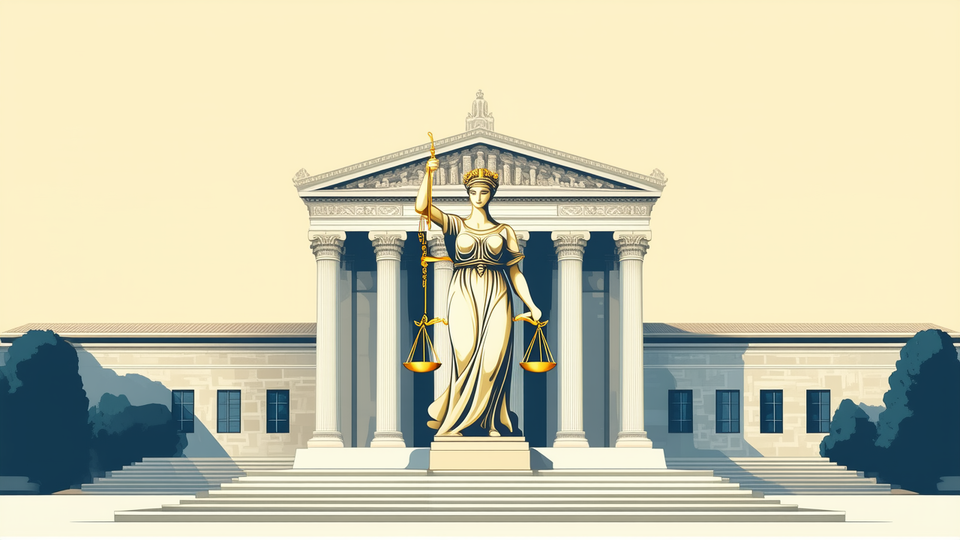
SCOTUS and the 14th Amendment
In the years after the Civil War, Congress turned to the Constitution to guarantee rights for Black citizens who had endured slavery. The 13th Amendment ended the institution of slavery, but it did not define who could be a citizen or the scope of their rights. To fill that gap, lawmakers proposed two additional amendments that together built a comprehensive civil rights framework.
The 14th Amendment declared that anyone born or naturalized in the United States is a citizen of both the nation and the state in which they reside. This simple language was a powerful statement: formerly enslaved people, and all Black citizens, should be treated as full members of the political community, not as property. The Amendment also introduced the concepts of equal protection and due process, giving the federal judiciary a new tool to oversee state actions that might discriminate against citizens.
When the Supreme Court began applying the 14th Amendment, it faced the challenge of turning constitutional theory into practical protection. By interpreting “equal protection” to prohibit state laws that unfairly target a particular group, the Court created a legal shield for civil liberties. Its decisions have consistently reinforced that the government must treat every individual with the same respect and legal standing, a principle that resonates with modern ideas of social justice and education.
The Court’s role is not merely punitive; it also guides the nation toward a more inclusive understanding of citizenship. By upholding the due process clause, the justices ensure that laws cannot arbitrarily strip away freedoms without fair legal procedures. This approach aligns with contemporary values of health, mental well‑being, and personal development, recognizing that legal security is a foundation for thriving communities.
Today, the legacy of the 14th Amendment remains vital. Its protections continue to inform debates on voting rights, civil liberties, and equal treatment under the law. The Supreme Court’s ongoing commitment to interpreting the amendment in a way that honors its original purpose demonstrates how a post‑war constitutional vision can still guide a nation toward greater fairness and unity.