Harsh Border Enforcement Leaves Afghan Migrants with Frostbite and Lost Limbs
Harsh Border Enforcement Leaves Afghan Migrants with Frostbite and Lost Limbs
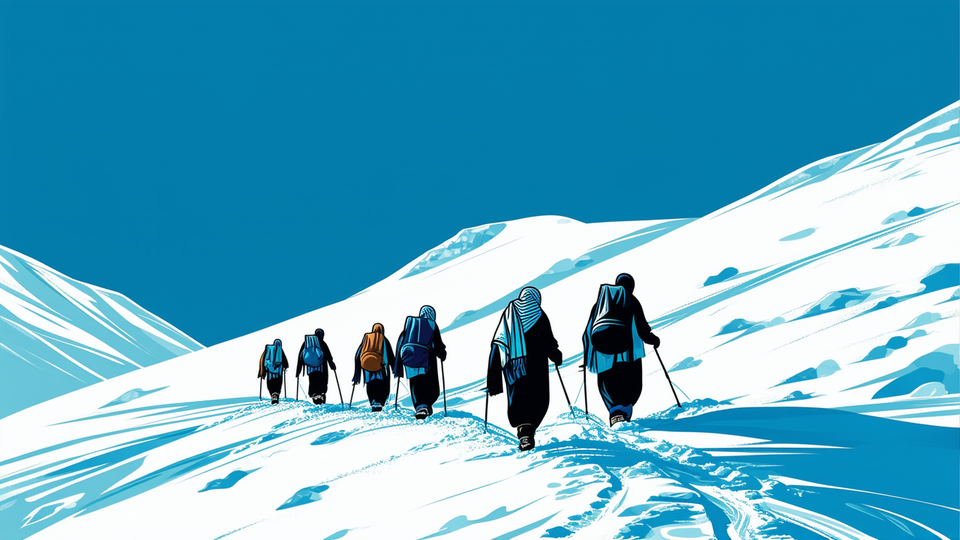
In early January 2026, a group of young Afghan migrants attempting to reach Europe were intercepted by Turkish border authorities near the eastern city of Van. According to eyewitness accounts, border guards stripped the men of their clothing, tied their hands, and forced them to crawl across snow‑covered ground while temperatures plummeted to minus 15 degrees Celsius.
The migrants report that on the night of January 25, they were lined up and beaten with iron rods. The violent assault left many with broken heads, bleeding shoulders, and hands that became so damaged they could no longer be used. With only minimal food, water and a single daily portion of dry bread, the detainees were made to carry wood and clear snow, intensifying their exposure to the freezing weather.
Thermal injury quickly escalated to severe frostbite. Survivors describe how they lost sensation in their extremities, and how those whose limbs were already damaged eventually required amputation. One migrant, Shahsawar, awoke in a Kabul hospital to discover that both his hands and legs had been surgically removed. Eleven of the twelve men and boys who spoke to journalists ultimately lost limbs, and at least twenty others are reported to have died from exposure.
Efforts to obtain medical assistance proved futile. After being abandoned near the Iranian border, the group sought help in Iran but were turned away from hospitals. It was not until the Afghan embassy in Tehran intervened that a limited rescue operation transferred the survivors by Red Crescent overland to Herat and then to Kabul for urgent care. Even then, delayed treatment meant that frostbitten tissue turned black, confirming the necessity of amputation.
Human‑rights activists in Turkey and Afghanistan have documented a pattern of push‑backs and mistreatment of irregular migrants since 2021. Advocates such as Şafak Bozkurt of the Van Bar Association assert that the mountains used by migrants present inherently dangerous conditions, a risk amplified by aggressive border enforcement. Zakira Hikmat, a Turkey‑based activist, links increased surveillance to the forced use of more perilous routes.
Turkish officials have denied the allegations, stating that border forces adhered to national and international law and provided detainees with food, water, and medical care. Nonetheless, the stark testimonies of beatings, forced exposure, and loss of limbs raise serious concerns about compliance with humanitarian standards and the protection of vulnerable asylum seekers.
International observers call for transparent investigations, accountability for the officers involved, and the establishment of safe, humane processes for migrants seeking protection. The incident underscores the broader need for policies that prioritize human dignity over strict border control, especially when lives are at stake.