Freedom Fuel Network Debuts $3.47 Gasoline Price in Washington – July 8, 2026
Introduction
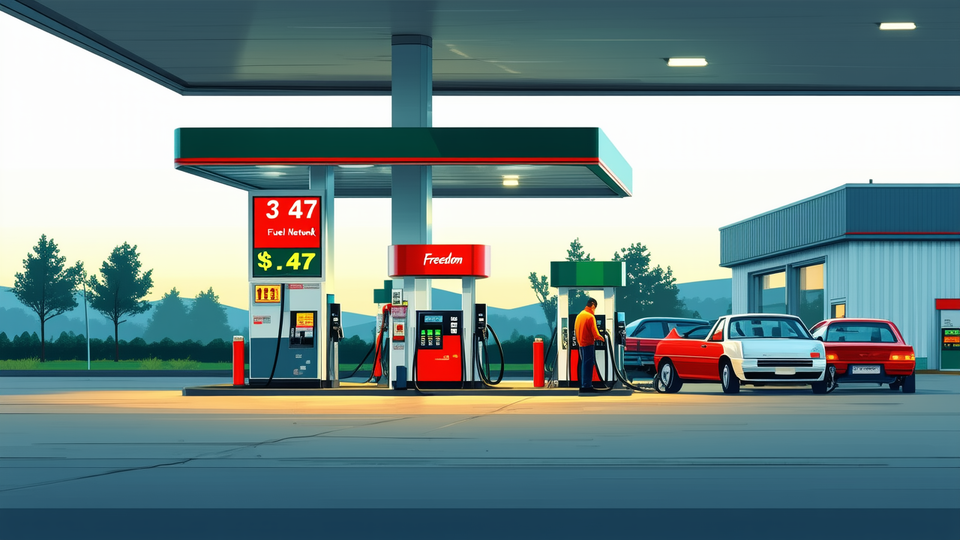
The White House made a high‑profile announcement on July 8, 2026, introducing the first station of the Freedom Fuel Network. Marketed as a direct effort to lower fuel costs for American drivers, the new location offers regular gasoline at $3.47 per gallon.
Government Announcement
The administration posted a video on X highlighting customers at a station in Dresher, Pennsylvania, and quoted the president: “President Trump is leading the charge to lower gas prices this summer – putting more money in your pocket.” A spokesperson clarified that the Freedom Fuel Network is a private retailer operating independently of the federal government and receives no subsidies.
Pricing Details and Context
At $3.47 per gallon, the price sits about $0.30 below the national average reported by AAA on the same day, which was $3.80. The price also compares to a $2.99 per gallon rate at the same site during the final months of the Biden administration in November 2024, and it remains higher than the $3.12 average observed at the start of 2025.
The network comprises 25 stations across Pennsylvania and New Jersey, many of which were formerly Sunoco, Gas N’ Go, or Karco locations. The retailer attributes the lower price to smaller profit margins rather than any government assistance.
Public Reaction and Analysis
Customers at the Dresher station expressed relief at the modest savings, noting tight household budgets. Some nearby stations posted prices only a few cents lower, underscoring that the Freedom Fuel price is competitive but not the absolute lowest in the region. Analysts point out that the initiative aligns with the administration’s broader messaging on inflation and energy costs, especially after a spike in oil prices linked to renewed conflict with Iran.
Critics argue that the price, while lower than the national average, does not represent a dramatic breakthrough and that the program’s impact will depend on how many retailers adopt similar margin‑reduction strategies.
Conclusion
The Freedom Fuel Network’s debut reflects a strategic use of private‑sector pricing to demonstrate government concern for consumer costs. While the $3.47 price provides a tangible, if modest, relief for drivers, its long‑term significance will hinge on broader market dynamics and the willingness of additional stations to follow suit.