Founders' Ideals of Equality versus Slavery on Independence Day
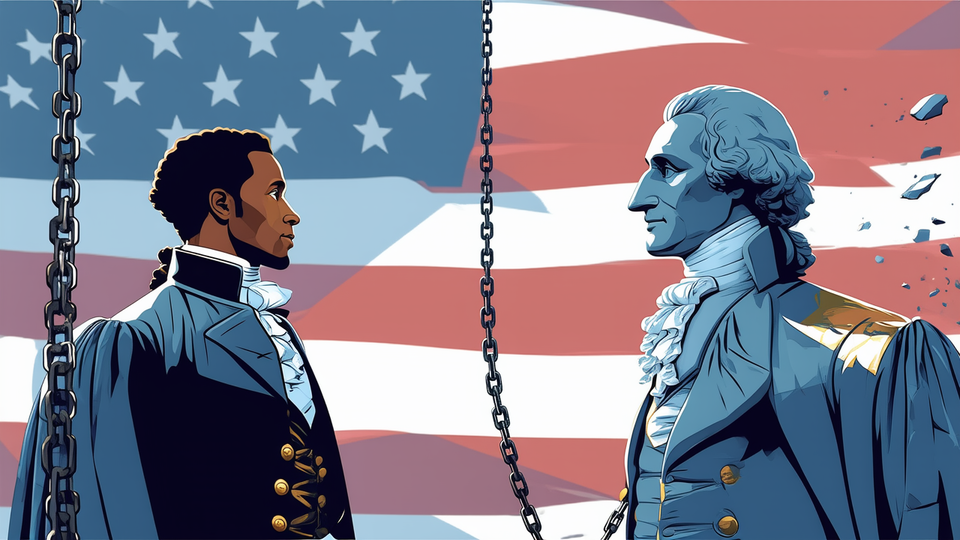
On July 4, 2026, the United States celebrates the 250th anniversary of the Declaration of Independence, a document famously declaring that "all men are created equal." Yet for many Americans, especially Black descendants of the nation’s founders, the holiday is a reminder of a profound inconsistency: the same men who penned the creed also owned, trafficked, and defended a system of slavery.
Shannon LaNier Jefferson, the sixth great‑grandson of Thomas Jefferson, embodies this paradox. In a recent interview, LaNier told The Guardian that he wishes his ancestor "had done more to free enslaved people and practice what he actually preached." He acknowledges Jefferson’s intellectual contributions while condemning his failure to leverage his power to dismantle slavery. LaNier’s perspective mirrors a broader generational reckoning that asks whether the nation can truly celebrate its founding ideals without confronting the lived realities of those excluded from them.
Jefferson was not alone in this contradiction. Founding fathers such as George Washington, John Adams, and James Madison all owned enslaved people, even as they advocated for liberty abroad. Yet within the revolutionary era were voices of dissent. Figures like Gouverneur Morris, who wrote the preamble of the Constitution, publicly denounced slavery as "a nefarious institution." Benjamin Rush, a signatory of the Declaration, penned pamphlets against the slave trade, though his own personal history was tarnished by the delayed emancipation of his cook.
Beyond the well‑known patriots, a chorus of abolitionists emerged from the margins. Frederick Douglass famously asked, "What to the slave is the Fourth of July?" highlighting the holiday’s hypocrisy. Women such as Elizabeth Freeman won legal battles that chipped away at slavery’s legal foundations, while Black leaders like Sally Hemings negotiated limited freedoms for their children. The story of LaNier’s dual lineage—both Jefferson and Hemings—underscores how the very bloodlines of America intertwine the oppressor and the oppressed.
These historical tensions inform contemporary debates about public monuments and the symbols that dominate our shared spaces. LaNier’s earlier op‑ed in The Grio called for the removal of Jefferson statues, labeling them "symbols of hate, racism and slavery." The ongoing controversy over whether to keep, remove, or reinterpret such monuments reveals how the past continues to shape present identity politics.
Critics argue that celebrating the Fourth of July without acknowledging its racial contradictions erases the contributions of Black Americans who fought for freedom from the very beginning. Proponents of a more inclusive observance suggest pairing patriotic celebrations with education about the nation’s incomplete promise, encouraging citizens to recognize both the achievements and the shortcomings of the founding generation.
As the country reflects on its quad‑centennial, the conversation moves beyond simple nostalgia. It asks whether the United States can truly honor the Declaration’s ideals by confronting the ways its architects fell short, and by amplifying the stories of those who challenged the status quo. The answer, many argue, lies in a willingness to rewrite the narrative—not to erase the past, but to expand it so that the promise of equality becomes a lived reality for all Americans.