Florida Officials Charged in Fake Voter Guide Scheme
In a startling development that has rattled Florida’s political landscape, federal prosecutors have filed charges against five people tied to a sophisticated fake voter guide scheme. The indictment names three St. Johns County elected officials—Commissioners Sarah Arnold and Christian Whitehurst, along with former St. Augustine Beach mayor Dylan Rumrell—as well as campaign manager Brianna Jordan and an associate, Jamie Lynn Johnson. The group stands accused of conspiracy and the production of a false voter guide that was dispatched to thousands of voters just days before early voting opened on August 10, 2024.
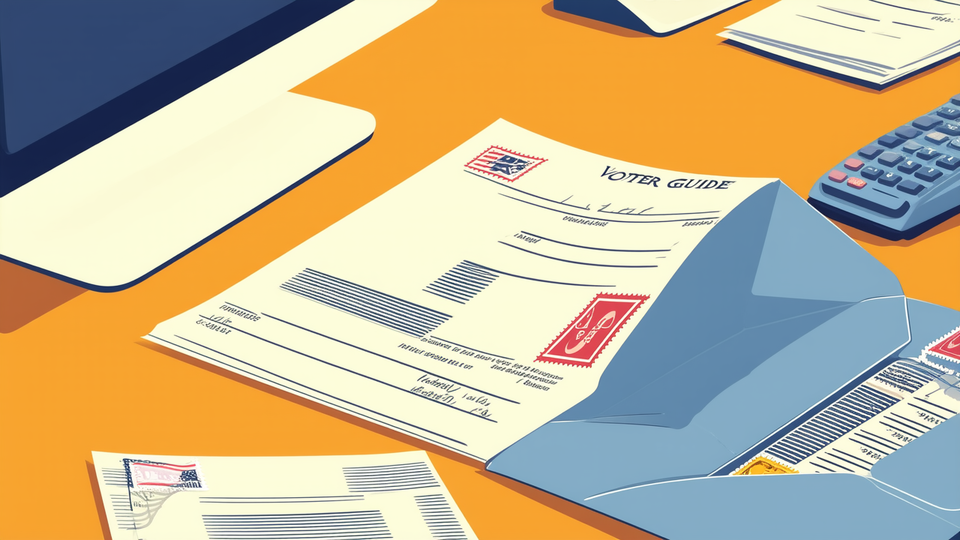
According to the charging documents, Jordan devised a plan to undermine the official Republican Party voter guide that lists endorsed candidates. The falsified version mirrored the authentic guide’s layout but substituted the official endorsements with fabricated ones, effectively misleading voters about who the party truly supported. To conceal the operation’s origins, the guides were printed in excess—over 10,000 copies—packed with more than 20,000 postage stamps, and mailed from both Jacksonville and Orlando. The effort, described by investigators as a “secret envelope stuffing” operation, was intended to flood the electorate with misinformation at a critical moment in the primary race.
Local reaction was swift and emphatic. St. Johns County GOP Chair Denver Cook expressed shock, calling the scheme “one of the most flagrant frauds on voters” he had ever witnessed. Election candidates who were correctly endorsed by the party, such as Ann‑Marie Evans, saw their campaigns jeopardized by the counterfeit mailers. Evans, who ran against Whitehurst, told reporters that the false endorsements shifted the election in favor of her opponent, highlighting the tangible impact of the deception.
The indictment also reveals the tangled involvement of personal networks. One intern, granted immunity for testimony, recounted Jordan’s request to purchase a “kettle grill” in cash after a news report exposed the fraudulent mailers. The same intern alleged that Whitehurst’s mother helped affix stamps to the false guides, further implicating family members in the plot. Moreover, after the scheme unraveled, Jordan allegedly attempted to destroy evidence, including burning some of the guides and contacting shredding companies. She now faces an additional charge of tampering with physical evidence.
Legal experts note that the case underscores the vulnerability of election processes to targeted misinformation campaigns, especially when they exploit trusted party communication channels. “The timing of these fake guides—sent just before early voting—was designed to maximize confusion,” said an election law professor at the University of Florida. “It represents a direct assault on the democratic process, and the prosecution sends a clear message that such conduct will not be tolerated.”
Authorities have interviewed dozens of voters who reported receiving the fraudulent guides, and the investigation continues to uncover the full scope of the operation. As the district attorney’s office proceeds with the case, the broader community is left grappling with the implications for election security and public trust.
While the legal proceedings move forward, local officials and the Republican Party have pledged to reinforce the integrity of official voter communications. New safeguards, including verified digital distribution channels and stricter oversight of mailings, are expected to be implemented ahead of the upcoming general election. The fallout from this scandal serves as a stark reminder of the importance of vigilance, transparency, and accountability in safeguarding the democratic process.