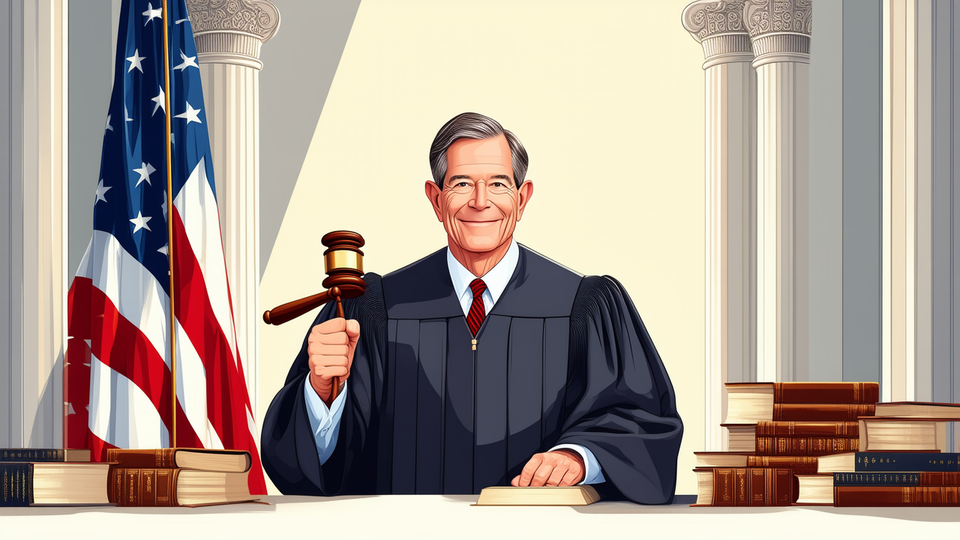
Federal Judge Dismisses Trump Media $3.8 Billion Defamation Suit Against The Washington Post
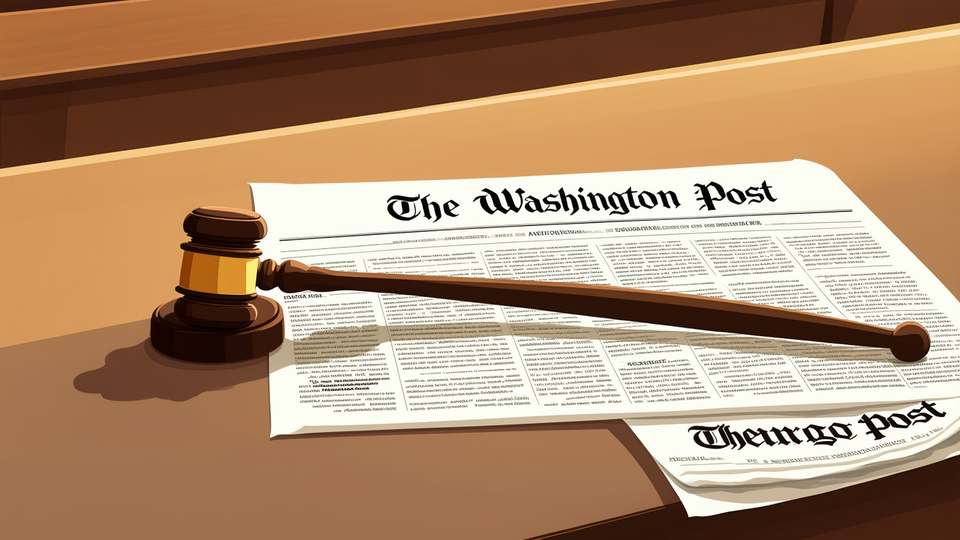
Judge Throws Out $3.8 Billion Defamation Claim
On Thursday, U.S. District Judge Thomas Barber formally dismissed the defamation lawsuit filed by Trump Media & Technology Group against The Washington Post. The case, which sought $3.8 billion in damages, stemmed from a 2023 article that alleged the company obtained a loan through a “porn‑friendly bank.”
Judge Barber concluded that Trump Media failed to present clear and convincing evidence required to show the newspaper published the statements with actual malice. In defamation law, actual malice means the defendant either knew the statements were false or acted with reckless disregard for the truth—a burden that public figures must meet.
The Post’s defense highlighted the thorough investigative work of reporter Drew Harwell, who maintained confidence in the article’s accuracy at the time of publication. The newspaper also issued a correction after discovery revealed that Trump Media did not pay a $240,000 loan referral fee, correcting the record while reaffirming that the original reporting was based on information available then.
Following the ruling, The Washington Post issued a statement expressing satisfaction with the decision and indicating they await the written order. Trump Media’s spokesperson acknowledged the setback and said the company will consider an appeal, maintaining that a jury should decide whether the corrected statements are actionable.
This dismissal adds to a growing pattern of lawsuits brought by Trump‑aligned entities against major media outlets. In recent years, similar suits have been filed against The Wall Street Journal, the BBC, The New York Times, and others, many of which have been dismissed on similar grounds.
The judge also canceled the pre‑trial conference scheduled for July 13, 2026, noting that the case will not proceed further without a viable claim. A written order explaining the decision is expected to follow.
Legal experts note that the ruling reinforces the high threshold for defamation claims involving public figures, emphasizing the importance of factual accuracy and thorough reporting in journalism. The outcome serves as a reminder that while holding media accountable is essential, the legal standards protect robust newsgathering and free expression.