Farage Reported to UK Standards Watchdog Over Alleged Crypto Lobbying
Allegations Against Nigel Farage
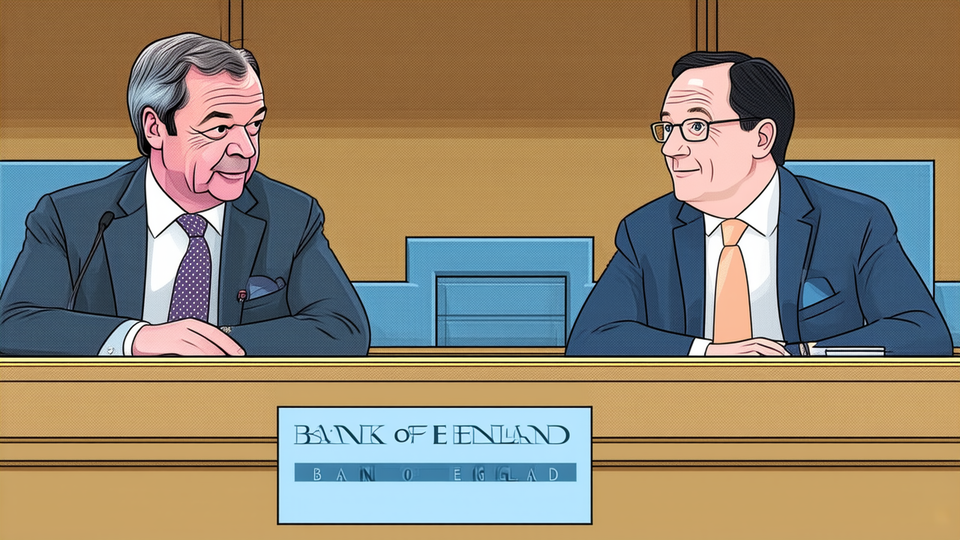
Labour MP Phil Brickell has asked the Parliamentary Commissioner for Standards to investigate whether Reform UK leader Nigel Farage breached the UK’s paid‑lobbying rule. The rule bars MPs from approaching ministers or public officials on behalf of anyone who has given them a benefit for a period of 12 months after the receipt of that benefit. Brickell’s complaint points to a private meeting in September 2025 between Farage and Bank of England Governor Andrew Bailey, during which Farage reportedly urged the central bank to abandon its digital pound plans.
Farage’s connection to the crypto sector stems from substantial donations received from billionaire Christopher Harborne, a noted investor in the stablecoin Tether (USDT). Harborne contributed a £5 million undeclared gift before the July 2024 general election, two £25,000 donations in early 2025 and 2026 for trips, and secured a £15 million donation to Reform UK. The January 2025 donation falls within the 12‑month window that now encompasses the September 2025 meeting with Bailey.
The complaint argues that Farage’s lobbying could provide a financial benefit to Harborne, whose stake in Tether could rise if UK policy becomes more favorable to stablecoins. After the meeting, the Bank of England later softened its stance on stablecoin caps, a move Farage has publicly claimed credit for. While the Bank says the meeting was routine, the timing and the specific policy shift raise concerns about a potential conflict of interest.
Regulatory Context and Ongoing Inquiry
UK parliamentary guidance explicitly states that “paid lobbying is prohibited” for a year after receiving a benefit. The rule was extended from a six‑month ban to twelve months in March 2023 following high‑profile cases of alleged misconduct. The Standards Commissioner, Daniel Greenberg, is already reviewing the undeclared £5 million gift and will now consider whether the 12‑month lobbying restriction was breached.
If the investigation finds a violation, sanctions could range from a formal apology to a suspension from the House of Commons. Previous cases have resulted in lengthy suspensions and, in some instances, resignation. The outcome of this inquiry will likely shape how MPs manage relationships with donors involved in emerging financial technologies.
Implications for Crypto Policy
Beyond the personal repercussions for Farage, the case highlights broader concerns about the influence of crypto money on public policy. As stablecoins like Tether become more integrated into the financial system, transparency about who stands to benefit from regulatory decisions becomes essential. The watchdog’s findings could set a precedent for future scrutiny of political figures engaging with the crypto industry.
For now, Farage and his party deny any wrongdoing, framing the donation as unconditional and the meeting with the governor as routine. The standards commissioner’s decision will determine whether the 12‑month rule will be enforced in this high‑profile case, reinforcing the importance of robust oversight in an era of rapid financial innovation.