Exposing Russia’s ‘Torture Prisons’ in Occupied Ukraine
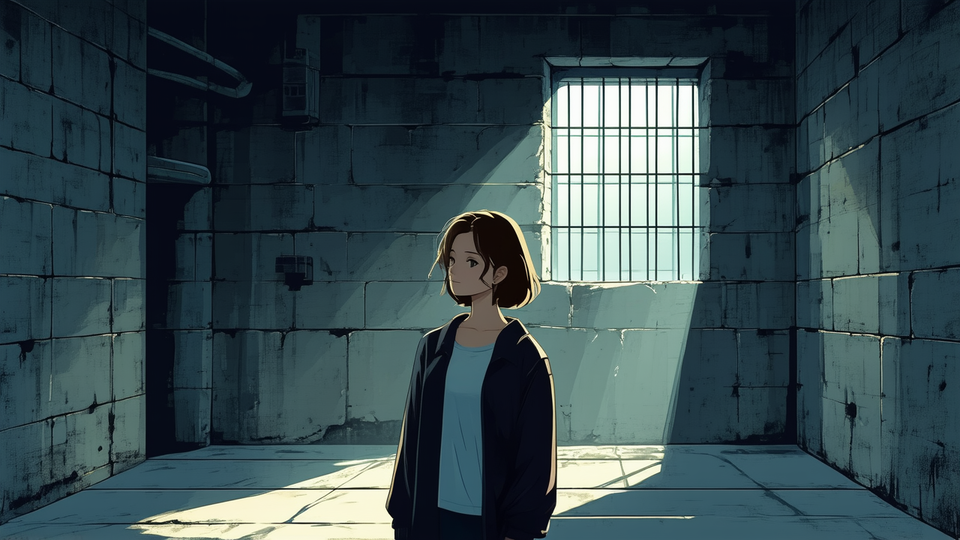
Inside the Hidden Torture Prisons
Since the Russian invasion of Ukraine, investigations have uncovered a network of detention facilities where civilians and prisoners of war have faced systematic abuse. The BBC’s investigative team, working with Ukrainian investigators, identified dozens of men who served as jailers and officials in these sites, revealing a pattern of beatings, electric shocks, mock executions and sexual violence that the United Nations has described as “systematic and widespread.”
Survivors such as Liudmyla Huseinova, a 64‑year‑old safety engineer, recount harrowing experiences at the Izolyatsia detention centre. She describes being seized, forced to stand for hours under bright lights, and witnessing her assailant, identified as former traffic policeman Yurii Temerbek, mock the victims while sexual assaults were carried out. Another guard, known as “Yermak,” forced detainees to eat food mixed with soil and rubbish, and later beat a prisoner who declared loyalty to Ukraine. These personal testimonies are corroborated by photographs and social‑media profiles that place the accused men in ordinary family lives in Russia and the occupied territories.
The investigative report mapped more than 190 detention sites across occupied Ukraine and Russia. About one‑third of these locations operate in unofficial buildings such as tax offices, hotels and garages, making accountability difficult. Ukrainian prosecutors say roughly 2,000 people have passed through these centres since 2022, and they have opened criminal proceedings against dozens of individuals, including former head of Izolyatsia, who received a 15‑year prison sentence. However, most suspects remain at large, freely moving in civilian life.
International bodies have taken note. The UN’s Office of the High Commissioner for Human Rights (OHCHR) classified the treatment of civilians as systematic torture. In May, the United Nations added Russia to its blacklist of countries suspected of committing sexual violence in conflict zones, a designation Russia dismissed as “groundless lies.” The evidence gathered by open‑source investigators and former detainees strengthens calls for war‑crimes prosecutions in international courts.
For survivors like Liudmyla, justice means more than punishment; it means public acknowledgment of the crimes. She says “justice is the decree that these people intentionally, deliberately did what they did. I want them to be punished by law.” Former detainees such as Oleksii Sivak, who survived electric‑shock torture in Kherson, echo this sentiment, emphasizing the need for accountability to deter future abuse. Their stories underline the urgent need for robust legal mechanisms and continued investigative work to bring perpetrators before the law.
The exposure of these prisons has also sparked a humanitarian response. Liudmyla now runs an organization that supports other women detained by Russian forces, coordinating secret networks to deliver parcels to those still held. Civil society groups, alongside Ukrainian prosecutors, continue to document abuses, hoping that the growing body of evidence will lead to decisive action at the International Criminal Court and other tribunals.
While the path to justice is long, the meticulous documentation of torture, the identification of individual perpetrators, and the willingness of survivors to speak out provide a powerful foundation for accountability. As the international community watches, the hope is that these hidden prisons will no longer operate in the shadows, and that those responsible will face the consequences of their crimes.