Erdogan Gifts Vintage Revolvers to NATO Leaders at Ankara Summit – A Diplomatic Surprise
Introduction
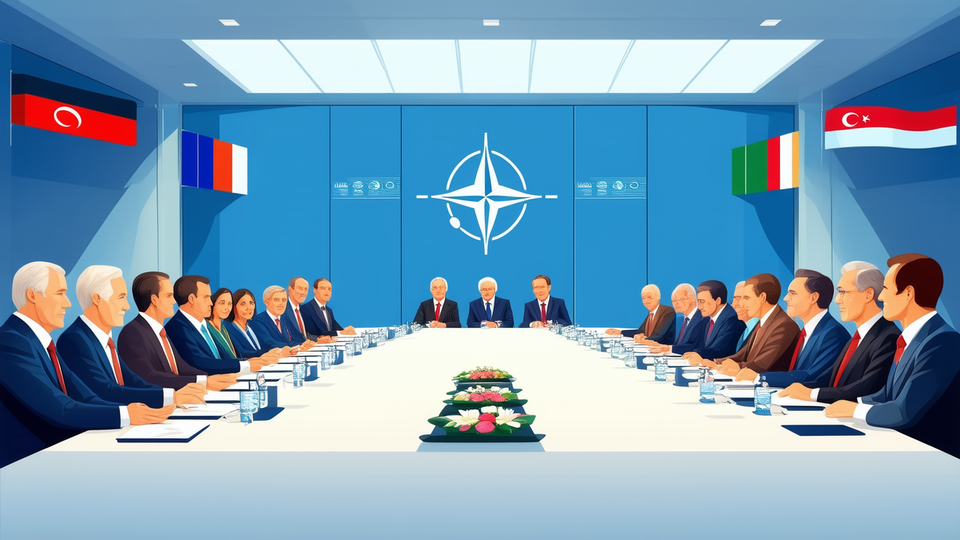
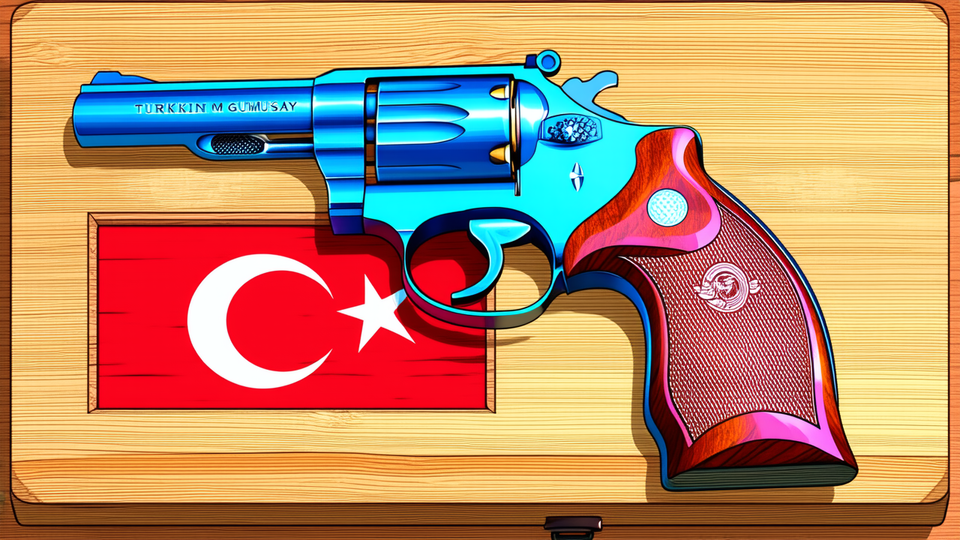
During the NATO heads‑of‑state summit held in Ankara in early August 2026, President Recep Tayyip Erdogan chose an unconventional way to mark the occasion. Each attending leader received a vintage Gumusay .357 Magnum revolver, a rare Turkish‑made six‑shooter first produced in the 1990s. The firearms arrived in wooden display boxes bearing both the NATO emblem and the Turkish flag, and each bore the recipient’s name in Turkish and English alongside a note that exempted the weapons from export controls.
Reactions and Security Challenges
The gift ignited a series of practical and diplomatic responses. Belgian Prime Minister Bart De Wever immediately handed his revolver to Brussels airport police, securing it in a safe. German Chancellor Friedrich Merz’s revolver was routed to the German embassy for inventory and proper import procedures. In the United Kingdom, Prime Minister Keir Starmer’s revolver arrived with a cleaning kit and 500 rounds, but he chose to leave the weapon in Turkey to avoid breaching strict British gun laws. Canadian Prime Minister Mark Carney similarly left the ammunition behind, allowing Canadian officials to decommission the gun for museum display.
Leaders from the Netherlands and Sweden transported their revolvers to their respective embassies in Ankara, where the Dutch side planned to disable the weapons and the Swedish team awaited import paperwork. Italy’s Prime Minister Giorgia Meloni stored her revolver at the Palazzo Chigi, while EU Commission President Ursula von der Leyen announced plans to donate her gifted firearm to a military museum. In Poland, President Karol Nawrocki’s revolver remained under customs hold, pending safe handling protocols.
Security teams across the alliance described the situation as a logistical headache. Airport police, customs officials and diplomatic staff coordinated to ensure the weapons were stored safely, respecting both host‑nation regulations and the stringent gun‑control policies of many NATO members.
Implications for Diplomacy and Defense
Erdogan’s choice of gift served multiple purposes. It showcased Turkey’s modern firearms industry, which has emerged as a significant export sector; between 2019 and 2024 Turkey ranked third worldwide in small‑arms sales, with exports totalling roughly three billion dollars. By presenting a domestically produced, historically significant revolver, Turkey highlighted its capabilities as both a defense supplier and a diplomatic actor.
The episode also sparked broader discussion about diplomatic protocol. While exchanging gifts is a long‑standing tradition among heads of state, the practicalities of transporting functional firearms expose gaps in existing procedures. The varied responses—from immediate safe‑keeping to decommissioning—illustrate differing national attitudes toward firearms and underscore the need for clear guidelines in future summits.
Overall, the revolver giveaway reinforced Turkey’s strategic positioning within NATO, demonstrating a willingness to blend cultural symbolism with economic ambition. At the same time, it reminded alliance members that tradition must be balanced with modern security considerations.
Conclusion
The Ankara‑hosted NATO summit will be remembered not only for its policy debates but also for the striking, personalized revolvers that turned a diplomatic gesture into a logistical puzzle. By spotlighting Turkish defense manufacturing and provoking a reassessment of gift‑giving practices, President Erdogan’s decision highlighted both the strengths and the complexities of contemporary alliance diplomacy.